
 Support
 Sign In
 Cart
Cart


Noisy caster wheels—ugh, they can wreck a peaceful workspace, make shopping trips more irritating, or just add stress where you really don’t need it. Whether it’s that office chair that squeals every time you move, or the shopping cart that rattles through every aisle, the source is usually a mix of wheel material, bearing quality, and a little bit of neglect.
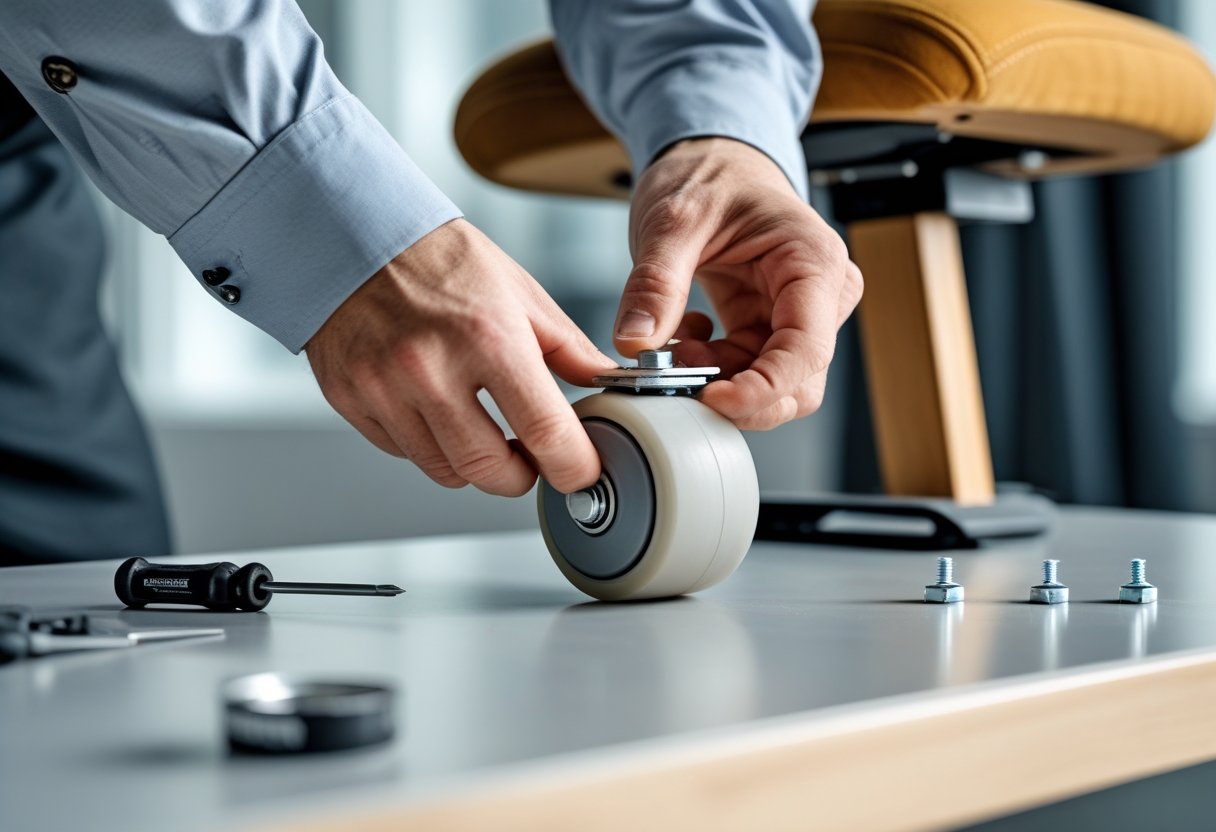
Honestly, the biggest difference comes from choosing softer wheel materials like rubber or polyurethane, upgrading to sealed bearings, and just keeping things lubricated. These changes can cut caster wheel noise by as much as 70%—sometimes more—so you’re not stuck listening to distracting clatter all day.
So, what’s really going on when those wheels get loud? Let’s dig into the main culprits and look at what actually works, from material swaps to simple maintenance tricks.
Understanding Why Caster Wheels Are Noisy
Caster wheel noise is mostly about friction, the way materials interact, and whatever’s going on in the environment that makes vibrations worse. The mix of wheel materials, floor type, and caster design all play their part in how much racket you hear.
Common Sources of Caster Wheel Noise
Hard wheels are usually the loudest offenders, especially when they’re rolling on unforgiving floors. Steel and hard plastic wheels don’t cushion anything, so every little bump gets amplified.
Metal-on-metal contact is a nightmare for noise—think squeaks, screeches, and grinding, especially if the bearings are dry or the axle is rubbing on the housing.
Bearings that are past their prime are another big source of noise. As they wear out, you get wobbly, uneven movement that makes everything sound worse.
Debris build-up around the tread or in the swivel can also turn your wheels into a mini percussion section. Hair, dust, and whatever else gets tangled up there will make every roll noisy.
If the wheel assembly or mounting hardware isn’t tight, you’ll hear extra rattling and clicking as everything vibrates and knocks together.
Impact of Floor Surfaces and Environment
The floor you’re rolling on makes a huge difference. Hard floors like tile or concrete bounce sound right back, so every noise gets amplified.
Smooth floors are especially bad news for hard wheels. There’s nowhere for the sound to go, so you get a constant rolling noise that just doesn’t quit.
Uneven floors? Every bump or dip sends a jolt through the caster, making things even louder.
There’s also this weird thing where wheel vibrations can match up with the floor’s natural resonance, making everything even noisier—sometimes 40% louder, apparently.
Even the weather comes into play: humidity or cold can stiffen up rubber and polyurethane wheels, making them noisier until they warm up.
Role of Caster Type and Application
Swivel casters are usually noisier than fixed ones because of all the extra moving parts. More pivot points mean more chances for squeaks and grinds, especially if they’re not well-maintained.
Shopping cart wheels are notorious for that wobbly, fluttering noise, especially when the swivels get out of sync or the bearings are shot.
If you overload your casters, you’re just asking for extra noise. Too much weight increases friction, wears everything out faster, and makes the wheels louder.
| Caster Type | Typical Noise Level | Primary Noise Source |
|---|---|---|
| Hard Plastic | 68 dB | Impact vibration |
| Soft Rubber | 49 dB | Minimal friction |
| Steel | 70+ dB | Metal contact |
Industrial setups with heavy loads have their own challenges—weight shifts can change how the wheels hit the floor, which changes the sound in ways that aren’t always predictable.
Selecting Quieter Caster Wheels and Materials
What your wheels are made of is probably the biggest factor in how loud they get. Softer options like rubber, thermoplastic rubber, and polyurethane do a much better job soaking up vibrations than hard plastic or metal. They’re still tough enough for most uses, but way quieter.
Rubber Wheels for Quiet Rolling
Rubber wheels are kind of the gold standard for quiet rolling. They absorb those annoying little shocks that harder wheels just bounce right into your ears. The way rubber flexes a bit on the floor helps muffle sound.
If you want something that lasts but still keeps things quiet, go for rubber wheels with a hardness rating between 60A and 80A. That’s a sweet spot for balancing noise and durability.
Soft rubber is awesome on hard floors—concrete, tile, hardwood. It just takes the edge off the rolling noise that hard wheels make.
Why rubber wheels work:
- Great at soaking up vibrations
- Conform to the floor just enough
- Proven to reduce noise
- Lots of hardness choices
Benefits of Thermoplastic Rubber and TPR
Thermoplastic rubber (TPR) is like rubber’s more consistent cousin. TPR wheels are quieter than hard wheels and don’t get flat spots as easily, so they stay quiet longer.
TPR’s predictability is helpful if you’re buying a bunch for a quiet office or hospital environment—you know what you’re getting every time.
TPR perks:
- Up to 70% quieter than hard wheels
- Won’t mark floors (if you pick the right type)
- Holds shape under steady loads
- Doesn’t get weird in different temps
Honestly, TPR is a go-to for places where quiet matters. It’s reliable, and you don’t have to worry about it suddenly getting noisy.
Choosing Soft Wheels and Polyurethane Options
Soft polyurethane wheels are a nice compromise if you need to handle more weight but still want to keep things quiet. The material is good at absorbing vibrations while staying strong.
If you’re aiming for quiet, look for polyurethane with a hardness below 85A—somewhere in the 60A-75A range is ideal for noise, though it might wear a bit faster if you’re hauling heavy stuff.
What to check for with polyurethane:
- Hardness: 60A-85A is best for quiet
- Make sure it matches your load
- Softer for hard floors
- Think about how often you’ll use them
Polyurethane wheels are especially good on hard floors where noise is usually the worst. They cushion the ride and spread out the weight, so you don’t get those sharp, loud impacts.
Optimizing Bearings, Swivels, and Housings for Noise Reduction
What’s going on inside the caster matters just as much as the wheel itself. Ball bearings make a huge difference—they roll smoother and stay quieter, especially if they’re sealed to keep out gunk.
Advantages of Ball Bearings
Ball bearings are just better for noise. They cut down on friction and let the wheel roll smoothly, so you don’t get that scraping or grinding that happens with basic bushings.
The round shape of ball bearings helps spread the load evenly, which keeps things quiet.
Why ball bearings help:
- Less effort to roll
- Smoother movement
- Fewer vibrations
- Last longer
If you can, go for precision ball bearings—they’re made to tighter tolerances and just perform better. It’s worth the upgrade if you care about noise.
Using Sealed and Precision Bearings
Sealed bearings are great because they keep out dust and dirt, which can make things grind and squeak over time.
Sealed precision bearings:
- Keep out debris
- Hold onto their lubrication
- Need less maintenance
- Last longer
Sealed bearings also keep the right amount of lubricant inside, which means less friction and fewer weird noises.
Precision-made bearings don’t have as much play or wobble, so they’re quieter right out of the box.
For dusty or dirty areas, sealed precision bearings are a lifesaver—they just keep working quietly no matter what.
Swivel Caster and Sealed Housing Improvements
Swivel casters can be a real pain for noise because of the way the raceway and other parts rub together. Sealed housings help a lot here.
Swivel seals block debris from getting into the raceway, so you don’t get that gritty grinding sound.
Upgrades worth having:
- Hardened raceways for smoother swiveling
- Seals to keep out the mess
- Precision-machined housings for less play
Big casters especially benefit from sealed housings—otherwise, the extra size and weight just make noise worse.
Sealed housings also protect from water and chemicals, so you don’t lose lubrication and end up with a squeaky mess.
If you want things as quiet as possible, sealed precision bearings in both the wheel and swivel are the way to go.
Maintenance and Additional Noise Reduction Solutions
A little upkeep goes a long way. Regular cleaning, proper sizing, and smart upgrades can all help keep your casters rolling quietly and lasting longer.
Regular Cleaning and Lubrication
Seriously, just keeping your caster wheels clean can make a huge difference. Dust, hair, and other junk get wrapped around the axle and bearings, making everything grind and groan.
How to clean:
- Wipe away debris with a cloth or blast with compressed air
- Use a toothbrush for stubborn gunk around the bearings
- Don’t forget to clean the wheel surface and mounting hardware
Lubrication is key. Use a silicone-based lubricant or light machine oil made for bearings—skip the thick stuff that just attracts more dirt.
A little lube on the bearing race and axle is all you need. If the bearings still sound rough or look damaged, it’s probably time to swap them out for sealed ones.
Proper Wheel Sizing and Weight Capacity
Small wheels under big loads are just asking for trouble. Too much strain means more noise, faster wear, and a rougher ride. Make sure your caster wheels match what you’re actually using them for.
Weight Capacity Guidelines:
| Load Weight | Recommended Safety Factor |
|---|---|
| Under 100 lbs | 25% above actual weight |
| 100-500 lbs | 50% above actual weight |
| Over 500 lbs | 100% above actual weight |
Bigger wheels handle bumps and cracks better, so you get less vibration and noise. For example, a 5-inch wheel is noticeably quieter than a 3-inch one on the same load.
Check that your mounting plates and stems fit the wheels you’re using. If things don’t match up, you’ll hear extra rattling and instability.
Overloaded casters are a recipe for worn bearings and flat spots, which only makes the noise problem worse.
Shock Absorption and Anti-Vibration Features
You know, there are a bunch of ways we can cut down on vibration and noise from casters. For starters, tossing some shock-absorbing stuff—like rubber pads or even spring-loaded mounts—between the casters and the equipment makes a surprising difference. It’s not magic, but it does help isolate all that rattling from the main structure.
Anti-Vibration Solutions:
- Rubber mounting bushings
- Spring-loaded caster stems
- Vibration-dampening plates
- Soft tread compounds
Honestly, if you’re tired of that harsh clattering, switching to wheels made from thermoplastic rubber (TPR) or polyurethane is a game changer. These softer wheels actually flex a bit over bumps, so you don’t get that sharp impact noise you’d get with metal or hard nylon ones.
Some people swear by floor protection mats too. They’re not just for looks—those dense rubber mats really do soak up a lot of wheel noise and keep your floors from getting chewed up.
If you already have casters installed, you don’t have to start from scratch. Slipping on some rubber sleeves or adding anti-vibration washers can help quiet things down by cutting out those annoying metal-on-metal sounds.
And for folks who want things super smooth, maybe look into precision sealed bearings. They’re a bit of an upgrade, but they cut out that internal rattling and keep everything rolling nicely for the long haul.


