
 Support
 Sign In
 Cart
Cart


Fabrication environments really put equipment mobility to the test. Moving heavy machinery, welding tables, and all sorts of material handling gear means you need casters that can take a beating and still roll smoothly. Safety and productivity both depend on it.
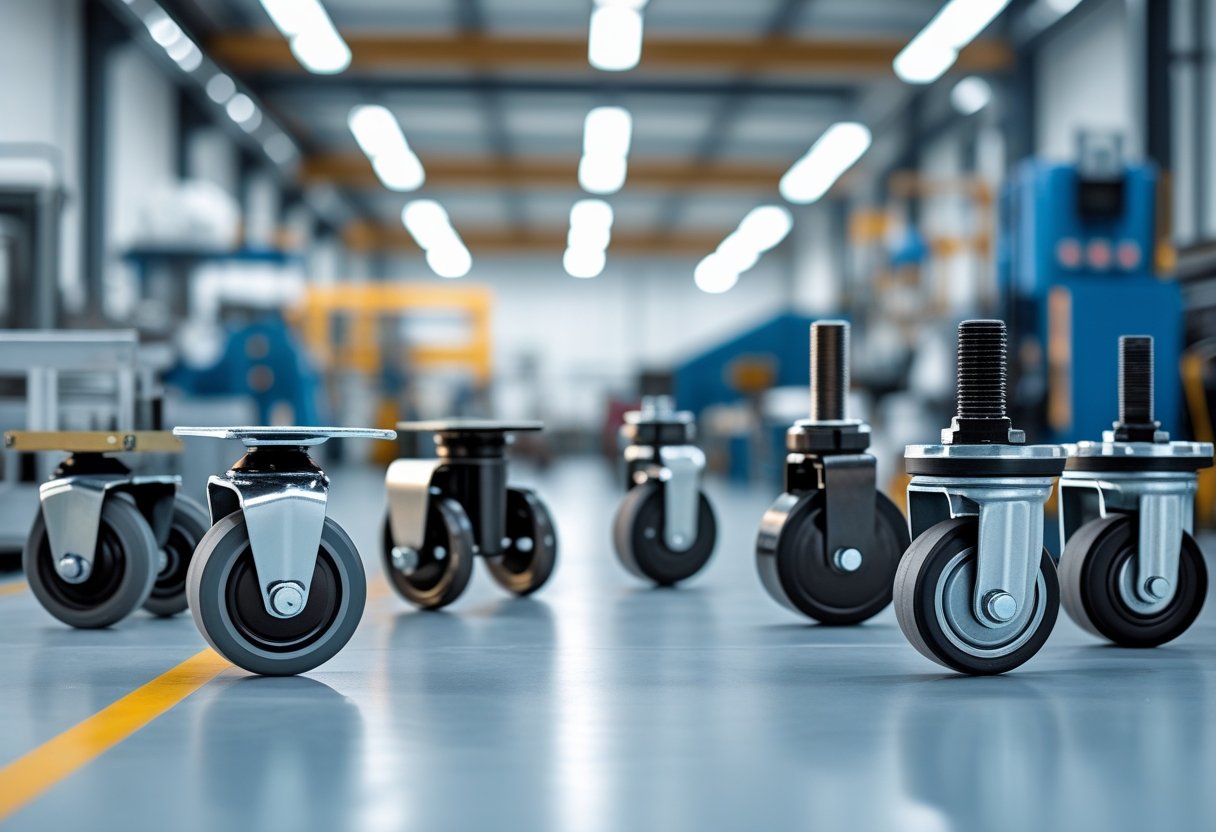
The right fabrication caster selection depends on load capacity, floor surfaces, temperature resistance, and the specific movement needs you’ll run into in metalworking shops. Honestly, standard casters just don’t hold up in most fabrication settings. Metal shavings, sparks, oil spills, and heavy loads can wipe out generic options way too fast.
Let’s talk about what really matters for caster performance in fabrication shops, take a look at the main caster types that actually work for metalworking, and go over some tips to help you get the most out of your caster setup. Knowing what to look for will keep your equipment rolling and your downtime to a minimum.
Key Considerations for Fabrication Caster Selection
Picking out the right casters for fabrication isn’t just about grabbing something that “looks tough.” You’ve got to think about your load requirements, the wheel material, and the shop environment. These three things make or break caster performance, not to mention safety and durability.
Load Capacity and Weight Distribution
Load capacity is the first thing I’d check when choosing casters for fabrication. Here’s a tip: add up the total weight of your equipment and materials, but then divide that by three casters instead of four. Floors are rarely perfectly flat, so one wheel might lose contact now and then.
That little trick gives you a safety margin if a caster lifts off the ground for a moment. Heavy-duty casters can handle anywhere from 1,000 to 10,000 pounds each, depending on their build and wheel size.
For heavy-duty applications, it’s smart to add another 25-50% safety factor to whatever you calculate. You never know when you’ll hit a bump or drop something heavy on a cart, and that extra capacity helps avoid trouble.
Load Distribution Guidelines:
- Light duty: Up to 500 lbs per caster
- Medium duty: 500-2,000 lbs per caster
- Heavy duty: 2,000+ lbs per caster
Spreading the weight evenly across all your casters is key—otherwise, you’ll wear them out fast or end up with wobbly, awkward movement.
Wheel Material Choices
Wheel material might sound like a small detail, but it’s huge for performance, floor protection, and even how much maintenance you’ll need. Polyurethane wheels are a go-to for most shops since they’re tough and don’t chew up your floors.
Steel wheels? They’ll take the heaviest loads and shrug off metal shavings, but they’re loud and can gouge up finished surfaces. Polyurethane is a solid all-rounder: good load capacity, protects concrete and epoxy, shrugs off most chemicals, and handles temperature swings.
Material Comparison:
| Material | Load Capacity | Floor Protection | Noise Level | Temperature Range |
|---|---|---|---|---|
| Steel | Highest | Poor | High | -40°F to 500°F |
| Polyurethane | High | Excellent | Low | -40°F to 180°F |
| Nylon | Medium | Good | Medium | -40°F to 200°F |
If you’re dealing with extreme heat, phenolic wheels might be better. For delicate floors, rubber is the softest touch.
Floor and Environmental Conditions
The floor and environment can make or break your caster choice. Smooth concrete? You can use smaller wheels. Bumpy or cracked floors? Go bigger for easier rolling—nobody likes fighting with a stuck cart.
Temperature is another thing to watch. Polyurethane covers most needs from -40°F up to 180°F, which is plenty for most shops, but welding areas or forges might need something that handles more heat.
Metal debris and dust are a pain—they can wreck wheels and jam up swivels. Sealed bearings are a lifesaver in dirty shops.
Environmental Factors:
- Floor type: Concrete, steel plate, or grated surfaces
- Temperature range: Standard vs. high-temperature materials
- Debris exposure: Sealed vs. standard bearings
- Chemical exposure: Resistant wheel compounds
If your shop is always dirty, go for maintenance-free swivel sections. No grease fittings means less gunk buildup and less time spent on repairs.
And if you’re rolling across nice floors, softer wheels help spread the load and keep surfaces looking good.
Types of Casters Used in Fabrication
Fabrication shops need casters that can handle heavy loads, roll over debris, and keep things moving smoothly. You’ll find that heavy-duty casters with tough wheels and sturdy mounts are the real workhorses in metalworking environments.
Rigid Casters and Swivel Casters
Rigid casters are all about going straight and carrying big loads. For heavy equipment that doesn’t need to turn much—think workbenches or storage racks—rigid casters are the way to go.
No swivel means fewer moving parts to fail. The load goes right into the floor, so you get the most capacity out of each caster.
Swivel casters are for when you need to move in any direction. They’re perfect for carts, welding tables, or anything that needs to weave around the shop. The newer maintenance-free designs spread the load evenly and are way easier to push or pull than the old kingpin styles.
Most shops use a mix: rigid casters on one side, swivels on the other. That way, you get both stability and steering—makes long carts or heavy tables much easier to handle.
Caster Wheels for Specialized Needs
Debris-resistant wheels are a must if your floor is covered in metal chips or welding slag. Polyurethane bonded to aluminum cores works great for keeping debris from sticking and slowing you down.
These wheels keep rolling even when the floor’s a mess. The polyurethane doesn’t let metal bits dig in, so you won’t be fighting extra resistance.
Noise-reduction wheels are a real bonus in loud shops. Wheels with the right durometer can cut noise by 10% or more, which your ears will thank you for.
Floor-protective options—non-marking polyurethane treads—are the answer if you’ve got nice epoxy or polished concrete. No more black streaks or gouges.
Temperature-resistant wheels are for spots near welders or hot materials. Just make sure your wheels are rated for the heat you’ll see.
Heavy-Duty and High-Capacity Solutions
Heavy-duty casters handle the big stuff—1,000 to 5,000 pounds per wheel isn’t unusual in fabrication. These have beefed-up mounting plates, big bearings, and thick wheels.
The CC Stark and CC Stout series are solid heavy-duty picks. They use reaction-injected polyurethane treads on reinforced cores, so they last.
High-speed applications—like tugger carts or automated systems—need wheels with low rolling resistance and precision bearings. Otherwise, you’ll burn through casters fast.
For extreme loads, dual-wheel setups or larger diameters (like 8-inch instead of 6-inch) make a huge difference. Bigger wheels roll easier and last longer.
Maintenance-free designs are a game changer if your shop is always dirty. Sealed bearings keep out crud, so you’re not constantly fixing or replacing casters.
Optimizing Caster Solutions and Performance
Getting the most out of your casters isn’t just about picking the right model. It’s about making sure workers are comfortable, the gear lasts, and you’re not wasting time or money on repairs.
Ergonomics and Worker Safety
Bad caster choices can lead to injuries and tired workers. I’ve seen plenty of shops where people end up straining their backs just trying to move a loaded cart.
Polyurethane wheels are a huge help—they can cut rolling resistance by 40-60% compared to cheap wheels. That’s less muscle needed for every push or pull.
Key ergonomic benefits:
- Lower rolling resistance means less effort
- Smooth rolling stops those sudden jerks
- Predictable handling keeps things safe
Wheels with high rebound resilience keep their shape under load and bounce back quickly, so they roll better all shift long.
And don’t forget to spread the load across all your casters. Overloaded wheels are a recipe for hard-to-move carts and surprise safety issues.
Noise and Debris Reduction
Shops are noisy enough. Switching from hard wheels to quality polyurethane can drop noise levels by at least 10%. It doesn’t sound like much, but your ears will notice over an eight-hour shift.
Debris is another headache. Metal chips and sawdust get jammed in wheel treads, turning a smooth cart into a dragging anchor. High-durometer polyurethane helps keep junk from sticking, and smooth treads make cleaning easier.
Debris rejection features:
- Harder polyurethane keeps particles out
- Smooth treads mean less stuff gets stuck
- Cleaning goes faster and actually works
Wheels rated at 92 Shore A durometer are a sweet spot for most fabrication work. They stay tough and don’t get chewed up by debris.
If you’ve got expensive floors, keeping wheels clean matters even more. Embedded debris can scratch or gouge surfaces, and that’s never a fun repair.
Maintenance and Longevity
Cheap casters might save you money up front, but you’ll pay for it in replacements and downtime. We’ve seen shops swapping out bargain wheels every six months, while quality ones can last 3-5 years.
Maintenance reduction strategies:
- Go with sealed bearings—no more greasing
- Pick wheels that shed debris
- Always build in a safety margin for load capacity
Give yourself a 25-30% buffer above your actual loads. It helps with impacts and extends the life of your casters.
Good polyurethane wheels keep their shape, don’t crack, and stay bonded to the core. Cheap ones get flat spots, split, or just fall apart—and then you’re scrambling for replacements.
Make it a habit to check your casters regularly. Monthly visual checks are smart for heavy-duty gear, maybe quarterly for lighter stuff.
Sourcing Quality Fabrication Casters
Finding casters you can trust comes down to picking the right manufacturer and knowing what custom options are out there. Stick with suppliers that have a solid track record and can actually deliver what you need for your specific setup.
Trusted Manufacturers and Brands
We always look for manufacturers with global certifications and proper compliance—ISO certifications are a good sign they know what they’re doing and test their products.
Most fabrication casters come through distributors, not direct from the factory. That’s fine, as long as your supplier works with reputable brands.
What we look for in a manufacturer:
- Consistent manufacturing quality
- Helpful customer service and tech support
- Enough production capacity for big orders
- Industry regulation compliance
It’s worth comparing a few portfolios before you buy. The best casters usually come from companies with real experience in fabrication, not just general hardware.
Testing and quality control set the top brands apart. We always check that suppliers keep their standards up across all their facilities.
Custom and OEM Caster Options
Custom fabrication casters are a go-to when off-the-shelf just doesn’t cut it. We look for suppliers who actually listen and offer real customization capabilities—not just lip service—and solid engineering support.
OEM partnerships? They’re pretty much essential for equipment that doesn’t fit the mold. Working directly with these folks means we can hash out designs, fine-tune specs, and end up with casters that actually suit the job.
Custom caster considerations:
- Adjusting load capacity for those seriously heavy machines
- Picking wheel materials that can survive a workshop (and all its quirks)
- Tweaking mounting configurations so everything fits right
- Making sure they’ll handle whatever temperature swings the environment throws at them
We only team up with manufacturers who are willing to get their engineers involved from the start. That kind of back-and-forth makes a difference, especially when you’re dealing with tough environments.
Custom options do come with longer lead times—no surprise there. We try to keep that in mind when mapping out projects and ordering, since nobody likes last-minute scrambles.


