
 Support
 Sign In
 Cart
Cart


Hand trucks are the unsung heroes of warehouses, delivery routes, and pretty much anywhere folks need to move heavy stuff without breaking their backs. When your hand truck starts acting up or just isn’t cutting it for a particular job, having a handle on which replacement parts are out there can save you a headache—and keep your equipment rolling for years.
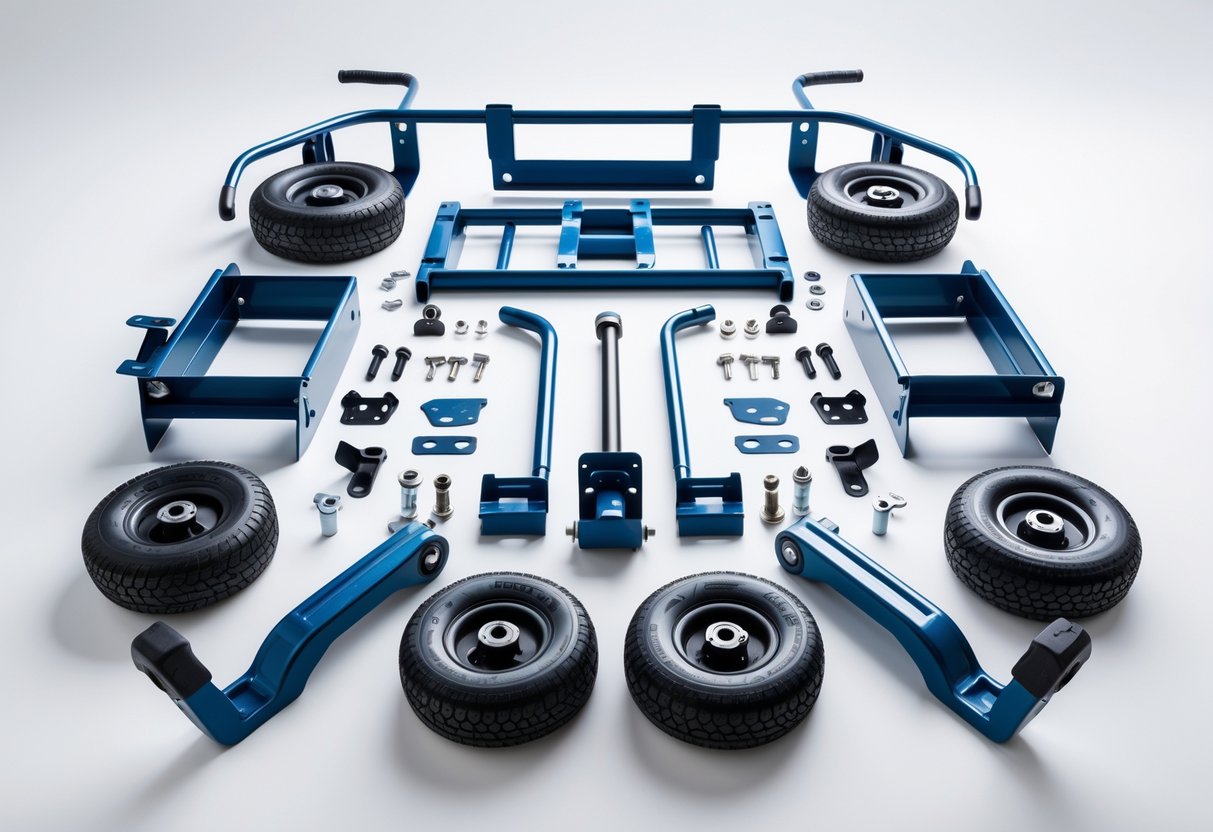
If you’re in the material handling world, understanding the nuts and bolts of hand trucks—wheels, axles, nose plates, frames—just makes life easier. Whether you’re swapping out worn-out wheels, replacing a busted handle, or trying to trick out your hand truck for a niche job, the right part can make all the difference.
Let’s look at what keeps these workhorses humming, what you can upgrade, and which specialty parts are worth a second glance. Knowing your options means less downtime and fewer headaches.
Core Hand Truck Parts
At the end of the day, three main parts determine how tough and useful a hand truck really is: the nose plate (that’s where your cargo sits), the wheels (obviously, for rolling), and the frame (the backbone holding it all together).
Nose Plates
Nose plates are the business end of the hand truck. That’s where the load sits. You’ll see two big categories: standard welded plates and extruded ones—extruded being the beefier option, thanks to how they’re made.
Most nose plates run anywhere from 7 to 18 inches deep, but honestly, 14 inches is what we see most often in general warehouse work. If you’re moving heavier stuff, extruded plates are the way to go; they’re just stiffer. Plate thickness matters too—10-gauge steel or heavier for the real heavy-duty jobs.
Some plates are beveled up front to slide under boxes easier, while others have raised edges to keep things from sliding off. You’ll even find folding nose kits that can extend your platform out to 30 inches or more—super handy if you’re dealing with oversized loads.
Wheels and Tires
Wheels are a make-or-break detail. Pneumatic wheels (air-filled tires) are great for bumpy rides and outdoor terrain—just remember, they need air and can go flat. Flat free wheels (think foam-filled or solid) are a favorite of ours if you want zero maintenance and no flats, but you sacrifice a little shock absorption.
Balloon cushion wheels split the difference—they won’t go flat and still offer a pretty smooth ride. Most common sizes? 8-inch and 10-inch diameters. Bigger wheels handle curbs and rough ground better. If you’re running pneumatic, don’t forget to check the tire tube now and then—a replacement will run you about $10-15.
Quick rundown on wheel types:
- Pneumatic: Cushy ride, best for outdoors, but you’ll need to keep ‘em pumped up.
- Foam-filled: No flats, some give, barely any upkeep.
- Balloon cushion: Won’t go flat, good shock absorption, pretty versatile.
- Solid rubber: Tough as nails, best for smooth floors, and they last forever.
Bearings—usually precision ball bearings—need a little grease now and then to stay smooth.
Frames and Extensions
The frame is the skeleton of your hand truck. Most are aluminum or steel. Aluminum’s light and easy to move around, but steel is the choice for heavy loads.
If you’re regularly stacking tall stuff, a frame extension is a lifesaver. Standard extensions hit about 60 inches. We always suggest adding a foam sleeve to protect both your cargo and the extension itself—costs a bit extra, maybe $25, but worth it to avoid scratches and dents. Vertical straps are key for holding loads in place. Frame thickness varies—16-gauge up to 12-gauge steel. Remember, lower gauge means thicker steel and more muscle.
Wheel and Axle Assemblies
The wheel and axle setup is what gets your hand truck moving. Most axles are 5/8 inch in diameter, and wheel sizes run from 6 to 10 inches. Your choice of solid rubber, pneumatic, or flat free wheels will change how much weight you can carry and what kind of terrain you can handle.
Axle Kits and Installation
Axle kits are pretty straightforward: you get the rod, pins, washers, sometimes frame supports. Standard length is 18 inches, but you’ll see longer for wider trucks.
Most hand trucks—Magliner, B&P, Harper, you name it—use 5/8-inch axles. Installing is just a matter of sliding the axle through the wheel bracket and locking it with roll or cotter pins. Some kits have extra supports for stability. The hardware pack is there to keep your wheels locked in and stop any side-to-side wobble. Lock washers and push nuts are especially handy if you’re loading and unloading all day.
Replacement Wheels
Wheels take a beating—no way around it. When they wear out, you can buy complete assemblies with bearings or just the tire if your hub’s still good.
Most common are 8-inch by 2-inch and 10-inch wheels, with hub offsets from 1.38 to 2.25 inches. Make sure your axle bore matches—usually 1/2 inch or 5/8 inch. Load ratings are all over the place, but heavy-duty wheels can handle 176 to 300 pounds each.
Bearings—ball or sealed—cut down on friction and help your wheels last. Always measure your old wheels, hub, and bore before ordering. Saves you from a return headache.
Wheel Types and Materials
Solid rubber wheels are bulletproof and perfect for smooth surfaces—think warehouse floors, loading docks. They don’t absorb much shock, but you’ll never have to pump them up.
Pneumatic wheels have air tubes and are the gold standard for rough ground. Super smooth ride, but you’ll be patching leaks now and then. Flat free wheels use polyurethane foam or solid rubber—best of both worlds, really. Balloon cushion wheels are a hybrid, with thick rubber and a semi-pneumatic design. In our experience, flat free wheels hit that sweet spot between durability and comfort.
Nose Plate Options and Upgrades
Nose plates come in a bunch of shapes and materials, each suited for different loads. Whether it’s standard, folding, or extruded, your choice affects capacity, handling, and how long the plate will last.
Standard Nose Plates
Standard nose plates usually run 7–8 inches wide and 14–18 inches long. These fixed platforms bolt right onto the frame and are your go-to for boxes and the usual warehouse cargo.
Die-cast aluminum and magnesium plates are a nice balance—strong but not heavy. Steel? That’s for serious industrial loads. Most have beveled edges so you’re not fighting to wedge the plate under a box. Manufacturers keep mounting patterns pretty standard, but always double-check the bolt holes before buying. Usually two or four bolts spaced evenly.
Folding Nose Kits
Folding nose kits are a game changer if you’re moving big or awkward loads. They flip down to give you a wider platform—sometimes up to 18 inches or more. Great for delivery drivers or movers who never know what’s coming next. You swap out your old plate for the folding one. The hinge does add a wear point, so give it a look every once in a while to make sure it’s not getting sloppy.
Extruded Nose Plate Features
Extruded aluminum plates have grooves running across the surface—grip is better, and the whole thing is lighter than a solid plate. The extrusion process keeps the plate strong but shaves off 20–30% of the weight compared to die-cast.
Beveled edges are the norm, so sliding under a pallet is smooth. The grooves also let water drain off if you’re working outdoors or moving wet stuff. Less slip, less hassle.
Frame Extensions and Supporting Parts
Frame extensions let you stack taller loads—up to about 60 inches. Foam sleeves and wings add a bit of protection and keep things steady.
Frame Extension Types
You’ll see standard extensions and Hi-U frame extensions. Standard adds a little height, Hi-U gives you the most reach.
Aluminum extensions are light and won’t rust, so they’re good for all sorts of environments. Steel is heavier but tough and carries more weight. Most extensions are cross-compatible, but always check your model before you buy. Secure hardware and proper alignment are a must—nobody wants a frame coming apart mid-lift.
Frame Extension Foam Sleeve
Foam sleeves slip right over the extension bars—protecting your hands and your load from metal scrapes. They take the sting out of bumps and make it easier to grip, especially on stairs or rough ground. They’re friction-fit and easy to replace when they wear out. Standard sizes cover most extensions, but it’s worth double-checking before you order.
Frame Wings
Frame wings snap onto the sides to make your platform wider—perfect for big boxes or anything that wants to slide off. Most wings fold away or detach, so you’re not stuck with a wide load all the time. They usually attach with brackets or clips, matching your frame’s metal for strength. If you’re moving a lot of odd-shaped stuff, wings are a solid upgrade.
Accessory Parts for Hand Trucks
Accessories can really make your hand truck work smarter—extra storage, better comfort, or just making it easier to haul weird loads.
Accessory Bags and Storage Solutions
An accessory bag is a no-brainer for tools, straps, whatever you need on the go. They attach to the frame with Velcro or metal clips, so you’re not digging through your pockets or leaving stuff behind. We like canvas and heavy-duty nylon—holds up well in tough conditions.
Other storage add-ons: document pouches for delivery paperwork, bottle holders for drinks or cylinders, strap organizers to keep your tie-downs from becoming a tangled mess. Some bags have multiple zippered pockets to keep things sorted, which honestly just makes life easier.
Ergonomic Grips and Handles
An ergonomic grip can make a world of difference for anyone pushing a hand truck all day. Instead of bare metal biting into your palms, these grips add a layer of foam or rubber that actually absorbs some of the vibration and spreads out the pressure, so your hands don’t feel wrecked after a long shift. We usually recommend textured grips—trust me, you’ll appreciate that extra traction when your hands are sweaty or you’re wearing gloves.
Handle extensions? Those are a game-changer for taller folks. They boost leverage and help you avoid that awkward stoop while moving heavy loads. Plus, adjustable handles let everyone on the team tweak the height to their liking. If you’re on a tight budget, grip wraps made from heat-shrink tubing or adhesive tape will still improve comfort and keep your hands from slipping on slick metal—no need to swap out the whole grip.
Specialty Attachments
Deck extensions come in handy when you’re hauling appliances, furniture, or anything that just won’t fit on the standard noseplate. These bolt-on platforms basically give you more real estate for oversized loads. If you’re dealing with stairs, stair climbers—either with a tri-wheel setup or a continuous track—make those trips a lot less of a headache.
Cylinder brackets are a must for keeping gas bottles, water jugs, or drums upright and secure in transit. And in busy warehouses, brake systems that lock the wheels during loading and unloading are a small detail that can prevent a lot of trouble. Spreader brackets will widen your frame for bulkier items, while tow hitches let you attach a hand truck to a utility vehicle when you’ve got to cover some serious ground across a big facility.
Hand Truck Parts for Specialized Applications
Some industries just don’t play by the usual rules—food service, for example, or heavy-duty industrial settings. They need hand truck parts that go beyond the basics, whether that means food-safe materials or reinforced frames built to take a beating.
Food Delivery Requirements
Food delivery is a whole different ballgame. You’ve got to meet health codes, so we’re always looking at stainless steel or aluminum parts for these jobs—both are tough, resist rust, and check all the boxes for sanitation.
Noseplates and handles made from food-grade materials are a must to avoid any risk of contamination. Smooth, non-porous finishes make cleaning between deliveries fast and thorough. We lean toward antimicrobial coatings when possible, just for that added peace of mind.
Wheels for food service are usually non-marking rubber or polyurethane, so you don’t leave streaks all over kitchen floors—or wake up the whole restaurant. And if you’re moving hot or frozen goods, don’t even think about standard rubber wheels; you’ll want temperature-resistant options that hold up when things get extreme.
Heavy-Duty and Industry-Specific Components
When you’re working in industrial settings, you can’t cut corners—hand truck parts have to be seriously tough. We’re talking steel frames, dual-bearing wheels, all engineered to take on loads well over 800 pounds. You’ll notice the difference right away: thicker gauge steel, fully welded joints (forget those flimsy bolts), and components that just feel solid in your hands.
Key heavy-duty components include:
- Extended noseplates (12-18 inches) for those awkward, oversized loads nobody else wants to move
- Pneumatic wheels (10-16 inches) that roll over gravel, cracked concrete, or whatever’s in the way at a loading dock
- Reinforced handles with ergonomic grips—because nobody wants blisters after a long shift
- Stair climber attachments that add extra wheel sets for hauling gear up steps without breaking your back
Now, if you’re working in a manufacturing plant—especially anywhere near volatile materials—spark resistance and non-magnetic properties aren’t just nice to have, they’re mandatory. We’ll spec out bronze or advanced composite wheels for these jobs, making sure you’re always up to OSHA code and any other safety regs the industry throws your way.


