
 Support
 Sign In
 Cart
Cart


Utility carts have really worked their way into just about every setting—homes, offices, workshops, you name it. These mobile storage solutions are all about wheels and flexibility, showing up in a ton of configurations for different tasks. Whether you’re tired of kitchen chaos, need to wrangle craft supplies, or just want to stop hauling tools by hand in the garage, getting a grip on how utility carts function can seriously change how you handle your space.
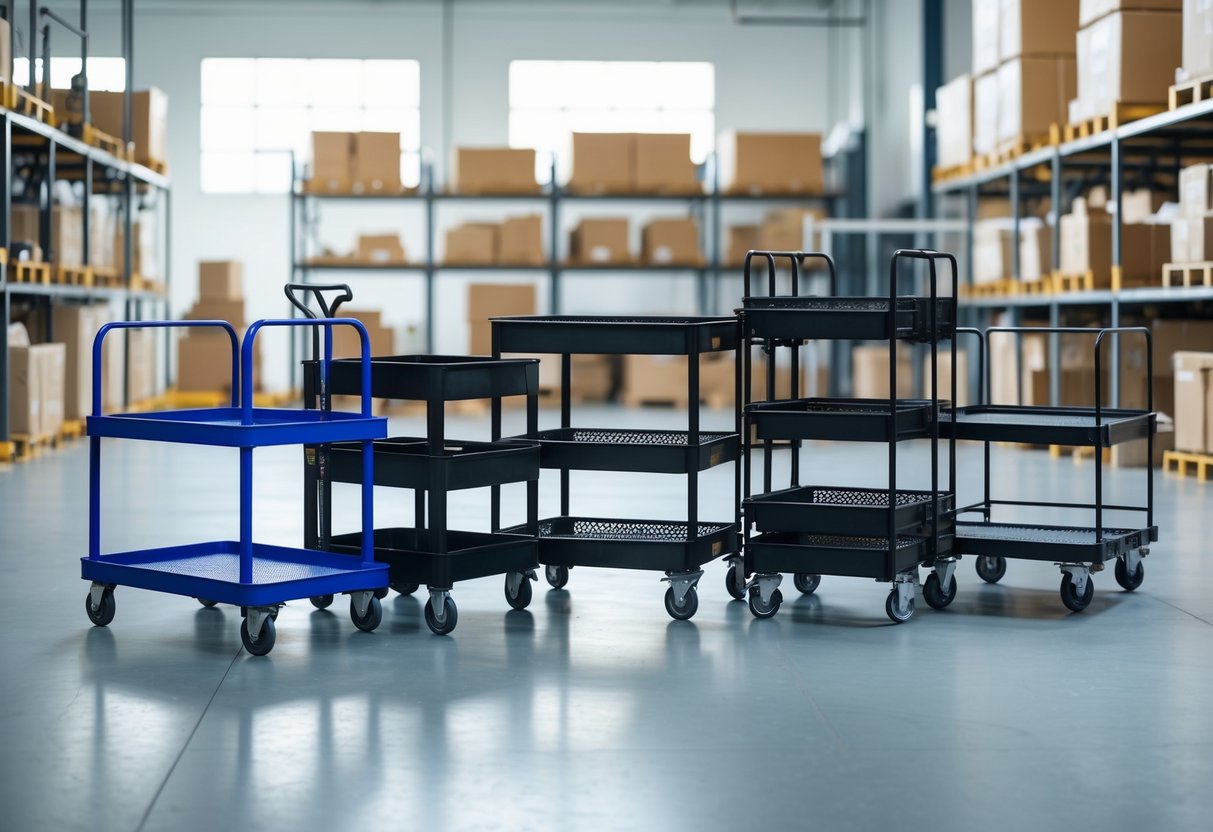
Honestly, the right utility cart can transform cluttered spaces into something that just works—everything’s where you need it, and you’re not breaking your back moving heavy stuff around. The trick is matching the design, material, and load rating to your actual needs.
Let’s walk through what’s out there: types of carts, their construction, and where they shine. If you’re hunting for a cart, there are a few things to keep in mind to make sure you’re not stuck with something that barely rolls or can’t handle your gear.
What Are Utility Carts?
Utility carts are, at their core, wheeled platforms for hauling, organizing, and storing just about anything. You’ll spot them everywhere—homes, offices, warehouses, clinics—because they’re built to move and adapt. They’re basically shelves or trays on a frame, riding on casters, and they’re a staple in any place that values efficiency.
Definition and Overview
A utility cart is a mobile storage unit—think shelves on wheels—that lets you move goods or equipment without hassle. We see these carts across industries, from foodservice and retail to hospitals and schools. The name “utility cart” covers a wide range of rolling platforms, but the key is always mobility.
Unlike fixed shelving, a utility cart’s whole point is to move. Most are shelving units on casters, not meant for permanent storage. You’ll find them in plastic, metal, or wire mesh, and each material brings its own strengths—some are built for heavy loads, others for quick, lightweight jobs.
Common Features
Most utility carts have a few things in common. Shelves—usually two to four—stacked for vertical storage. Casters are the heart of the design, and most decent carts have at least two swivel casters for maneuverability (often with locks to keep them put). The frame’s construction really dictates how much weight you can load up. You’ll see handles built in or bolted on, which makes steering way easier.
A quick rundown of what you’ll typically find:
- Multiple shelf levels for stacking gear
- Swivel casters (sometimes all four, sometimes two)
- Edge lips to keep stuff from sliding off
- Handle grips for easier pushing or pulling
- Weight capacities that can range from 100 up to 500+ lbs, depending on the build
Types of Utility Carts
There’s no one-size-fits-all utility cart. The main types? Rolling carts for general hauling, wire carts for airflow and visibility, storage carts for keeping things sorted, and service carts for places where looks and function both matter.
Rolling Carts
Rolling carts are your classic utility carts—shelves on wheels, built for moving things from point A to B. These multi-shelf models are everywhere, from warehouses to offices. The caster setup varies: some have all swivel casters for crazy maneuverability, others have two fixed and two swivel for a bit more control. Locking casters? Absolutely necessary if you don’t want your cart rolling away mid-task.
Weight capacity is all over the map—heavy-duty ones can handle a few hundred pounds, while the lighter models are best for paper or kitchen stuff. If space is tight, some fold flat, which is a lifesaver in cramped storage rooms.
Wire Carts
Wire carts are the go-to when you need airflow and visibility. The open mesh style is perfect for foodservice, healthcare, or anywhere you care about cleanliness. You can see what’s on every shelf at a glance—no more hunting around. Plus, the open build means less dust and easier cleaning.
If you’re worried about rust, look for chrome-plated or stainless steel wire. Wire shelves are surprisingly strong but still lighter than solid metal. The spacing is usually generous enough to fit a variety of items, but not so wide that stuff falls through.
Storage Carts
Storage carts are all about keeping things sorted and protected. You’ll see these with bins, drawers, or enclosed panels—great for tools, craft supplies, or anything that needs to stay clean and organized. Some have adjustable dividers or removable bins for a custom setup. For sensitive items, enclosed carts keep out dust and moisture. Plastic models resist most chemicals and are easy to clean, while metal carts offer more security if you’re storing pricier equipment.
Service Carts
Service carts are a bit more polished—think restaurants, hotels, offices. They’re designed to look good and function well. Raised edges keep items from sliding off, integrated handles make them easy to steer, and the wheels are usually quiet for noise-sensitive areas. Stainless steel is the top pick for foodservice and healthcare—easy to sanitize, looks sharp, and lasts forever. Some service carts mix in wood or powder-coated finishes to match the décor, but they still need to be practical for daily use.
Materials and Design Options
Material choice really matters. It affects durability, weight, maintenance, and, of course, cost. Metal is king for heavy-duty jobs, plastic is great for lighter tasks and easy handling, and wood is mostly for looks in upscale settings.
Metal and Wire Designs
Stainless steel is the gold standard for foodservice and medical. It’s tough, resists corrosion, and is super easy to keep clean. We usually spec 18-gauge 304 series stainless steel for commercial carts, and you’re looking at weight limits anywhere from 500 to 1,000 pounds.
Aluminum carts are lighter but still strong, which makes them ideal for jobs where you’re moving carts all day. They’re a favorite for catering and front-of-house because they’re easy to maneuver and don’t rust.
Wire carts deliver on visibility and airflow. If you’re constantly washing or moving damp items, the drainage is a bonus. As long as they’re coated right, rust isn’t a big worry, and they’re usually cheaper than solid metal.
Carbon steel with a protective finish is the workhorse in industrial settings—loads of strength, but you’ll need to keep an eye on rust. You’ll mostly see these in warehouses or production floors.
Plastic and Polymer Options
For plastic carts, high-density polyethylene and polypropylene lead the pack. They don’t rust, stand up to chemicals, and are lightweight. Hospitals, schools, and homes love them for the quiet ride and easy handling.
Plastic is quieter than metal, so it’s perfect for places like libraries or assisted living. Reinforced polymer carts can still handle 200–400 lbs, which is plenty for most non-industrial jobs. Cleaning is a breeze, but plastics can pick up stains and odors if you’re not careful. They don’t love high heat, so keep them away from ovens or autoclaves. Color-coded models are handy for keeping carts assigned to specific tasks—think infection control or allergen separation.
Wood and Specialty Builds
Wooden carts are mostly for places where looks matter—boutique hotels, fancy restaurants, retail displays. Oak, maple, and bamboo are popular, and they do add a touch of class. But, wood is heavy and needs regular maintenance to avoid splintering or water damage. A lot of custom carts mix wood shelves with metal frames to get the best of both worlds—style and strength.
Primary Uses and Applications
You’ll find utility carts pulling their weight in homes, shops, warehouses, offices, and more. Whether it’s moving supplies, organizing gear, or streamlining workflow, these rolling storage solutions are basically indispensable anywhere you need things to move.
Home and Kitchen Organization
In the kitchen, carts keep pots, pans, and pantry staples right where you need them. A rolling cart next to the stove for oils and spices? Game changer. No more running back and forth mid-recipe.
For entertaining, storage carts double as drink stations or serving tables. Just wheel everything out at once—no juggling trays. If you’re short on counter space, a cart makes a great backup prep area. Elsewhere at home, carts are awesome for crafts, games, or even as mobile toy bins. Parents especially appreciate being able to roll toys from room to room for quick cleanup. And when your needs change, you just move the cart—no need to unload and reload.
Garage and Workshop
In the shop, a sturdy rolling cart keeps your tools close by and organized. No more digging through drawers or making endless trips across the garage. A well-designed cart with drawers or bins keeps fasteners and small parts from bouncing away as you roll from project to project.
For auto work or gardening, carts mean you can bring everything you need right to the job—no more back-and-forth to the tool chest. Some folks even use the cart’s top as a mobile workspace for small repairs or tinkering.
Commercial and Office Settings
In warehouses, utility carts are the backbone of material handling—moving parts, tools, or inventory along the line. It’s all about reducing manual lifting and keeping production humming. Offices use rolling carts for mail, supply runs, and moving documents. They’re lifesavers during office moves or when setting up big meetings.
Retail and hospitality settings rely on carts for stocking, clearing, and transporting goods. The right cart lets staff knock out tasks faster, which is huge during busy hours.
Benefits of Utility Carts
Utility carts just make life easier—better movement, smarter use of space, and flexible designs that can be tweaked for nearly any workflow. In warehouses, retail, healthcare, and manufacturing, the right cart is a quiet hero for getting things done.
Mobility and Convenience
The big win with utility carts is mobility. Quality casters let you move heavy loads with way less effort—critical in warehouses where staff are constantly shuttling products between zones. No more dragging or lifting, which means less fatigue and fewer injuries.
Swivel casters are a must for tight spaces or crowded aisles, and heavy-duty wheels can handle rough floors or thresholds without a hitch. Brakes are handy to keep the cart locked during loading or unloading. Handles set at a comfortable height make a big difference, too—nobody wants to hunch over a cart all day. That ergonomic edge goes a long way toward keeping your team healthy and productive.
Space Optimization
Utility carts really shine when it comes to making the most of vertical space. By stacking up multiple shelves or tiers in a pretty compact footprint, you end up with way more storage than you’d expect. Take a three-tier rolling cart, for example—it only takes up about two square feet of floor space but holds as much as several bins or boxes. That’s a game-changer, especially if your operation is tight on square footage.
We’ve seen firsthand how swapping out fixed storage for mobile carts frees up valuable real estate. Instead of dedicating big chunks of your floor to bulky shelving, you can roll supplies right where you need them. And when you’re done? A lot of these carts nest together or fold down, so they barely take up any room in storage.
The way compartmentalized carts are laid out helps keep things tidy—no more random piles on every flat surface. Bins, dividers, and drawers give every item its spot, which makes it easier to find what you’re after.
Versatility in Functionality
One of the best things about utility carts is just how adaptable they are. With all the different configurations and interchangeable pieces, you can pretty much tailor a cart to whatever your operation calls for. Some models cover the basics for general transport, but there are also specialty designs—think medical carts for hospitals or food-service carts that can handle hot trays and spills.
We use everything from lightweight aluminum frames to rugged, heavy-gauge steel, depending on what’s getting hauled. Stainless steel is a go-to for places that need constant sanitizing, while plastic carts are perfect if corrosion is a concern (like in pool areas or kitchens). And don’t get me started on load ratings—light-duty carts might handle 200 pounds, but we’ve got industrial models that can roll with over 1,000 pounds without breaking a sweat.
Modular designs really pay off as your workflow changes. Shelves can be moved up or down, removable bins swap out in seconds, and you can add tool holders, waste bins, or whatever accessories you need. That kind of flexibility means you’re not stuck buying new equipment every time your needs shift.
How to Choose the Right Utility Cart
Picking out the right utility cart isn’t something to rush. You’ll want to consider what you’re moving, what features matter most, and whether the cart can stand up to your environment.
Weight Capacity and Size Considerations
Weight capacity is huge. If you overload a cart, you’re asking for trouble—casters can fail, shelves can warp, and suddenly you’ve got a safety hazard. Light-duty carts (200-300 lbs) handle office supplies or retail goods just fine. Medium-duty (300-500 lbs) are great for kitchens, hotels, or lighter warehouse jobs. When you’re moving serious weight—think manufacturing or big warehouse operations—you’ll want a heavy-duty cart rated for 500 pounds or more.
Size is another factor that’s easy to overlook. Narrow carts (18-24 inches wide) are perfect for squeezing through tight corridors in hospitals or offices. Standard widths (24-36 inches) offer more real estate for bigger loads. Shelf layout matters too—a two-tier setup keeps it simple, while three-tier models stack it up without hogging more floor space.
And if you’re only using a cart occasionally, a foldable or collapsible model is a lifesaver. These stash flat in a closet or against a wall, which is ideal for schools, event spaces, or any place where storage is at a premium.
Customization and Accessories
If you want your utility cart to keep up as your needs evolve, look for modular features. Adjustable shelves mean you can fit tall containers one day and flat boxes the next. With removable dividers, it’s easy to organize small parts, hand tools, or medical supplies—whatever the job calls for.
There’s a whole world of add-ons too. Locking drawers are a must for securing tools or sensitive items in workshops and hospitals. Some carts come with power strips built in, so you can charge tablets, laptops, or cordless tools right on the move. Need to haul pipes or tubes? V-notches and pipe holders make that way less of a headache.
Don’t overlook the little things: side hooks, cup holders, tool clips—they all help keep your cart organized without adding clutter. For medical use, antimicrobial trays and easy-wipe surfaces are non-negotiable. Food service carts? You’ll want spill-resistant edges and materials that can handle some heat. There’s really a cart for just about every job, if you know what to look for.
Safety and Durability
Wheel design really does play a big role in both safety and how long your carts last. If you need to snake through cramped aisles or crowded storerooms, putting swivel casters on all four corners gives you that tight turning radius. But for those heavier carts—think warehouse loads or industrial bins—it’s usually better to go with fixed wheels in the back and swivels up front. That way, you get better tracking and stability when you’re moving in a straight line, but you can still maneuver when you need to.
Non-marking rubber wheels are a must in places like hospitals or office buildings where you can’t have scuffs showing up on finished floors. For rougher outdoor surfaces, like a loading dock or warehouse yard, pneumatic wheels are the go-to. They absorb bumps and handle uneven ground without rattling the whole cart to pieces.
A solid locking mechanism isn’t something you want to skimp on. We always suggest carts with at least two locking casters—especially if you’re working on a slope or need to keep things steady while loading. There’s nothing worse than chasing a runaway cart.
The materials you choose for your casters and carts make a huge difference. HDPE plastic holds up against chemicals and moisture, so it’s perfect for labs or janitorial crews. Stainless steel is king in food service and medical—no rust, easy to clean, and it can take a beating. If you’re moving linens or anything that needs airflow, wire mesh is a smart pick, keeps things ventilated.
Look for carts with reinforced corners, raised edges, and welded joints—those details keep the whole structure from buckling under heavy, repeated loads. And don’t forget edge guards; they’ll save both your cart and the walls from dings and scrapes in high-traffic areas.


