
 Support
 Sign In
 Cart
Cart


Moving heavy loads isn’t just about brute force—it’s about having the right gear. Hand trucks are pretty much a staple in our industry, whether you’re running a warehouse, making deliveries, or just dealing with awkward shipments. Magliner hand trucks? They’re the ones we see over and over for a reason: tough-as-nails aluminum frames, solid load ratings (think 500 up to 1200+ pounds), and a design philosophy that just works. These are American-made and, honestly, you can still spot some Magliners on the job that have been rolling for decades.
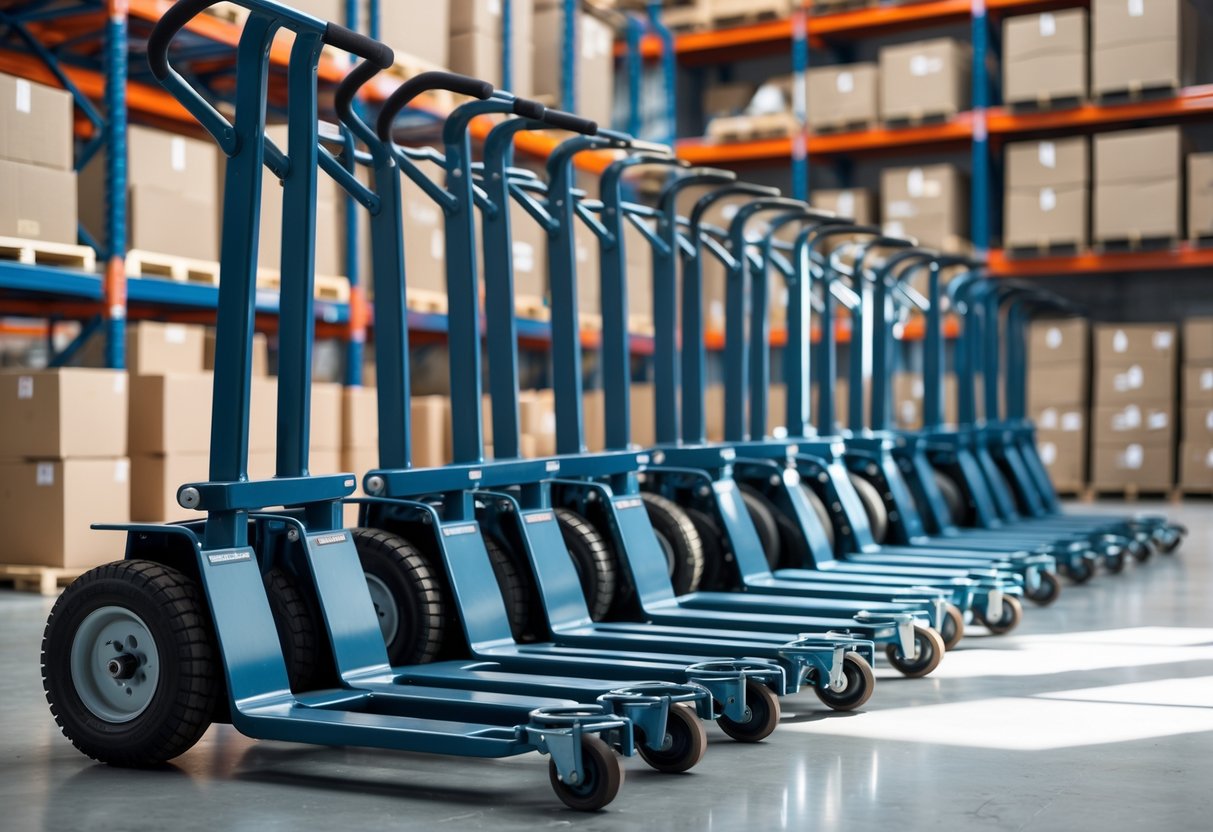
Picking the right hand truck isn’t always as simple as it sounds. Magliner’s catalog runs from your classic two-wheelers to those clever convertibles that go from upright to platform mode in about ten seconds. What stands out for us as caster folks is their obsession with lightweight aluminum—saves your back, keeps the truck maneuverable, and you’re not wrestling a steel beast at the end of a long shift.
Let’s dig in a bit. Whether you’re setting up a delivery fleet, stocking a warehouse, or just need something that won’t let you down when there’s a heavy lift, it’s worth knowing what makes Magliner a go-to. Here’s a rundown on the models, the specs, and some practical details from people who live and breathe material handling.
What Are Magliner Hand Trucks?
Magliner hand trucks are, at their core, aluminum material handling tools built for moving heavy stuff efficiently and, more importantly, safely. The Magliner name pops up everywhere for a reason—they’ve been at this for decades and, frankly, set the standard for route distribution gear.
History and Brand Overview
Magliner’s been around for over 70 years. That’s a lot of hand trucks. Their bread and butter? Material handling equipment, especially for route distribution. We’re talking hand trucks, stair climbers, and all sorts of add-ons that make life easier for delivery drivers and warehouse teams.
What’s kept them at the top? Value, innovation, and quality—sure, it sounds like marketing, but in our line of work, those three actually matter. Magliner’s always pushed for lighter but tougher builds, and you can see it in their aluminum and magnesium frames. They’re not just churning out cookie-cutter carts; they’re building tools for real-world abuse.
Unique Selling Points of Magliner
Aluminum construction is the headline here. It’s a sweet spot: light enough to save your back, strong enough to load up with serious weight. You won’t get that same balance from steel unless you want to lug around an anchor.
Customization is another big one. You can pretty much build out a Magliner to fit your exact workflow. Need a U-loop handle? Done. Prefer horizontal? No problem. Pneumatic wheels for bumpy lots, or solid rubber for slick warehouse floors? Take your pick. Noseplates come in all shapes and sizes, too. It’s modular, which means you can configure a truck that actually fits your day-to-day, not just some generic “one size fits all” solution.
As for load ratings, most Magliners are easily doing 500 pounds and up—some will take more if you spec them right. There are models specifically for bottled water, stair climbing, you name it. Assembly? Honestly, if you’ve got a wrench and about 20 minutes, you’re set.
Types of Magliner Hand Trucks
Magliner’s lineup falls into three main buckets. You’ve got your standard hand trucks, convertibles that switch configurations, and a bunch of specialty options for those weird jobs only industry folks understand.
Standard Magliner Hand Trucks
The classic: two wheels, vertical frame, and a handle that feels right in your hands. You’ll see these everywhere. They come with either a straight or curved back, and you can spec the handle and wheels to your liking.
Weight capacity? Usually somewhere between 500 and 1,000 pounds, depending on how you build it. The aluminum frame is the unsung hero here—sturdy, but never a pain to move around. Wheels are worth a quick note. Pneumatics soak up bumps if you’re outside or on uneven ground. Solid rubber is a no-brainer for warehouses where flats are a nightmare. Frame sizes? Standard is about 14 inches wide, but you can go wider if you’re hauling bulky stuff.
Convertible Magliner Hand Trucks
These are the Swiss Army knives of the hand truck world. Convertible models flip between upright two-wheelers and flat four-wheel carts. No need to buy two separate pieces of equipment.
Flip a lever, and you’re in platform mode—super handy for mixed loads or if you’re switching between boxes and something more awkward. Weight ratings shift with the setup; upright is usually good for 500-800 pounds, but on all fours, you can push 1,000 pounds or more. We see these a lot with delivery teams, retail restocking, and anywhere you need flexibility. Again, aluminum frame keeps it manageable, even when you’re swapping positions a dozen times a day.
Specialty Magliner Hand Trucks
Here’s where things get interesting. Specialty Magliners are purpose-built for jobs that standard trucks just can’t handle. Stair climbers use tri-wheel assemblies or powered options to get loads up and down steps without wrecking your back.
There are brake hand trucks too—foot brakes for those sketchy inclines or loading docks. Super important for delivery guys working on hills or ramps. Some models are built for merchandising, with extra shelves or custom frames for vending routes. The water delivery trucks? They’ve got special cradles and straps for those big bottles.
Other options include:
- Snack vendor trucks with built-in organizers
- Parcel delivery models for package runs
- Custom builds with whatever attachments your operation needs
Specialty units often mix and match features from the standard line but add tweaks for the task at hand. Specs vary all over the place, but that’s kind of the point.
Key Features and Specifications
What really sets Magliner apart? It’s the aircraft-grade aluminum, modular builds, and their wheel tech. These things are built to last, but they don’t weigh you down. Most models are rated for up to 500 pounds, though you can push more if you go heavy-duty.
Materials and Construction
Magliner doesn’t mess around with cheap metals. They use aircraft-grade aluminum and magnesium die-casts—light, strong, and they don’t rust out after a year in the warehouse. Frames are modular, so you can swap parts or repair them without tossing the whole truck.
The joints are tight and engineered to hold up under real-world abuse. This isn’t just marketing talk; we see it every day. Their original magnesium hand truck design from way back? Still the backbone of their process. Personalization is a cool touch, too. You can add company colors or ID plates so your trucks don’t disappear.
Weight Capacity and Dimensions
Most Magliners are rated for 500 pounds, which covers a lot of ground. Nose plates are usually 18 by 7.5 inches, but again, you can spec wider if you’re moving big stuff.
The geometry is dialed in for a good strength-to-weight ratio. One person can roll a heavy load without feeling like they’re wrestling a gorilla. That’s the beauty of aluminum—light when empty, strong when loaded.
Handle and Wheel Designs
Handles come in U-loop or horizontal loop styles. U-loops are classic and comfy, while horizontal braces add a bit more support. Pick what feels right for your crew.
Wheels are a Magliner specialty. Their sealed bearings are overkill in a good way—last way longer than standard bearings, and you don’t have to grease them every month. 10-inch pneumatics are common, soaking up shocks and rolling over rough ground. Semi-precision bearings mean less push effort and better longevity.
You can check their wheel charts to match up with your application. Solid rubber for inside, pneumatics for outside, and you can even get microcellular foam if you want a no-flat option.
Choosing the Right Magliner Hand Truck
Finding the right Magliner isn’t just about specs—it’s about matching the truck to your workflow and the surfaces you’ll actually use it on. Think about what you’re hauling, where you’re hauling it, and how often.
Application-Based Selection
Start with your main job. Beverage delivery? Convertible trucks are the way to go—upright for cases, platform for bulk. Warehouse? Standard two-wheelers with a solid 500-800 pound rating are usually perfect.
If you’re dealing with stairs, don’t mess around—get a Magliner with a curved back and the right wheel setup. Tri-wheel assemblies or special treads make stairs way less of a headache. Load size matters. If you’re regularly pushing 1,000 pounds, go for a heavy-duty frame. Nose plate width is another detail—18-inch for standard boxes, 14-inch if you’re in tight spots like store aisles or apartments.
Comparing Magliner Models
The basic two-wheeler is still the king for versatility. You can pick between straight or curved backs. Straight is great for flat runs, while curved backs help you clear obstacles or tackle stairs.
Quick breakdown:
- Convertible models: Go from 2-wheel to 4-wheel in a snap
- Standard hand trucks: Classic 2-wheelers, 500-800 lb range
- Heavy-duty: Beefed-up for 1,000+ lbs
- Specialty: Built for merchandising, delivery, or whatever niche you’re in
Handles matter more than you’d think. U-loop handles give you multiple grip points, vertical loops are ergonomic for all-day use.
Wheels are your main variable for performance. Pneumatics for bumpy ground or outside runs, solid rubber for inside where flats are a pain. 10-inch wheels are standard, 8-inch if you’re tight on space.
Customization and Accessories
Magliner’s modular system is honestly one of the best parts. You can build a truck that fits your operation—350 pounds up to 1,000+ if you need it. Customization and accessories let you tweak for your environment and workflow.
Custom-Built Options
The design-your-own system is a bit of a rabbit hole (in a good way). Over a thousand combos, so you can go wild. Pick your frame, handle, wheels, noseplate—whatever you need.
Three main frame types: classic hand truck, platform, and convertibles. Each has its place, and you can mix and match based on what you’re moving.
What you can tweak:
- Handles: Curved, straight, loop-back, and different heights
- Wheels: Pneumatic, solid, microcellular foam—pick your poison
- Noseplates: Different widths and depths for odd-shaped loads
- Brakes: Optional, but handy for platforms
Aluminum construction keeps everything light but tough. You can spec units for appliances, vending, or just general warehouse use.
Popular Accessories for Magliner Hand Trucks
Accessories take a basic Magliner and make it fit your job even better.
Straps and retention systems are must-haves for loose or top-heavy loads. Ratchet straps, bungees, or bars—whatever keeps your cargo in place.
Stair climbers are a lifesaver. Add-ons with tri-wheels that help you roll right up steps without killing your back.
Extension kits let you stack higher or give you a bigger toe plate for oversized stuff.
Protective add-ons like edge guards, handle wraps, and bumpers help keep both your truck and your facility from getting banged up.
If you’re in the business of moving things, Magliner’s range and custom options make life a whole lot easier. And as caster folks, we’re always happy to help you spec out the right setup—because, let’s face it, not all hand trucks are built the same.
Proper Usage and Maintenance
If you want your Magliner hand truck to last (and let’s be honest, who doesn’t?), it needs a bit of attention now and then. Skipping out on maintenance or ignoring safe operation doesn’t just hurt the truck—it can actually lead to injuries or downtime that nobody wants.
Safety Tips for Operation
First things first: actually read the owner’s manual before you start wheeling anything around. Yeah, it’s not the most riveting read, but it’ll save you from a lot of headaches and help you get a feel for your specific Magliner model’s quirks.
Pre-Operation Checks:
- Give all fasteners a once-over—loose or missing? Tighten or replace.
- Scan the frame for any signs of stress cracks or fatigue (especially around welds and bends).
- Make sure every part is snug and operational—no rattling, please.
- Tires matter more than you think: check the pressure and look out for bald spots or punctures.
The way you load the hand truck makes a big difference. Try to keep the load centered on the nose plate, and don’t just pile stuff on—secure it so nothing shifts. We design our frame rails to help balance the center of gravity, but if you ignore that, stability goes out the window.
If you’re working with our motorized or powered stair-climbing models, don’t wing it—give customer service a call at 1-800-MAGLINE (624-5463) for some quick, model-specific training. These units have their own set of demands, especially when it comes to battery care and the control systems.
Spot a part that’s broken or worn down? Don’t wait. Swapping out damaged components right away is the best way to keep your crew (and your equipment) safe.
Cleaning and Storage Recommendations
Keeping your Magliner hand trucks in good shape honestly isn’t rocket science, but it does make a real difference. Wipe down the frame with a damp rag after you’re done for the day—dust and grit build up faster than you’d think, and they’re rough on the finish over time.
Maintenance Schedule:
- Daily: Knock off any obvious dirt and double-check the moving bits—casters, axles, anything that spins or swivels.
- Weekly: Take a closer look at the wheels and axles. If you spot any flat spots, cracks, or weird wobbling, it’s time to swap them out.
- Monthly: Scan the whole frame for dents, bends, or stress fractures. Aluminum can surprise you with hairline cracks if it’s been overloaded.
- As Needed: Hit the moving parts with a bit of lubricant—don’t overdo it, just enough so things don’t squeak or seize up.
Hand trucks really hate moisture, so stash them somewhere dry and out of the sun if you can swing it. Humidity and water will eat away at your metal components, and the wheels can break down faster than you’d expect. Always stand the unit upright—laying it down can mess with wheel alignment and put extra stress on the frame.
When you’re doing your checks, give all the fasteners a once-over. Loose screws or nuts are an accident waiting to happen, and you definitely don’t want one letting go mid-shift. Keep a torque wrench handy if you’ve got one, but honestly, just make sure nothing’s rattling around.


