
 Support
 Sign In
 Cart
Cart


Industrial machinery and equipment require stable, level foundations to operate efficiently and safely, yet few factory floors are perfectly flat. Industrial leveling mounts are specialized components that attach to the base of machinery and equipment to compensate for uneven surfaces while absorbing vibrations and reducing operational noise. These adjustable supports stabilize everything from heavy manufacturing equipment to workbenches and cabinets.
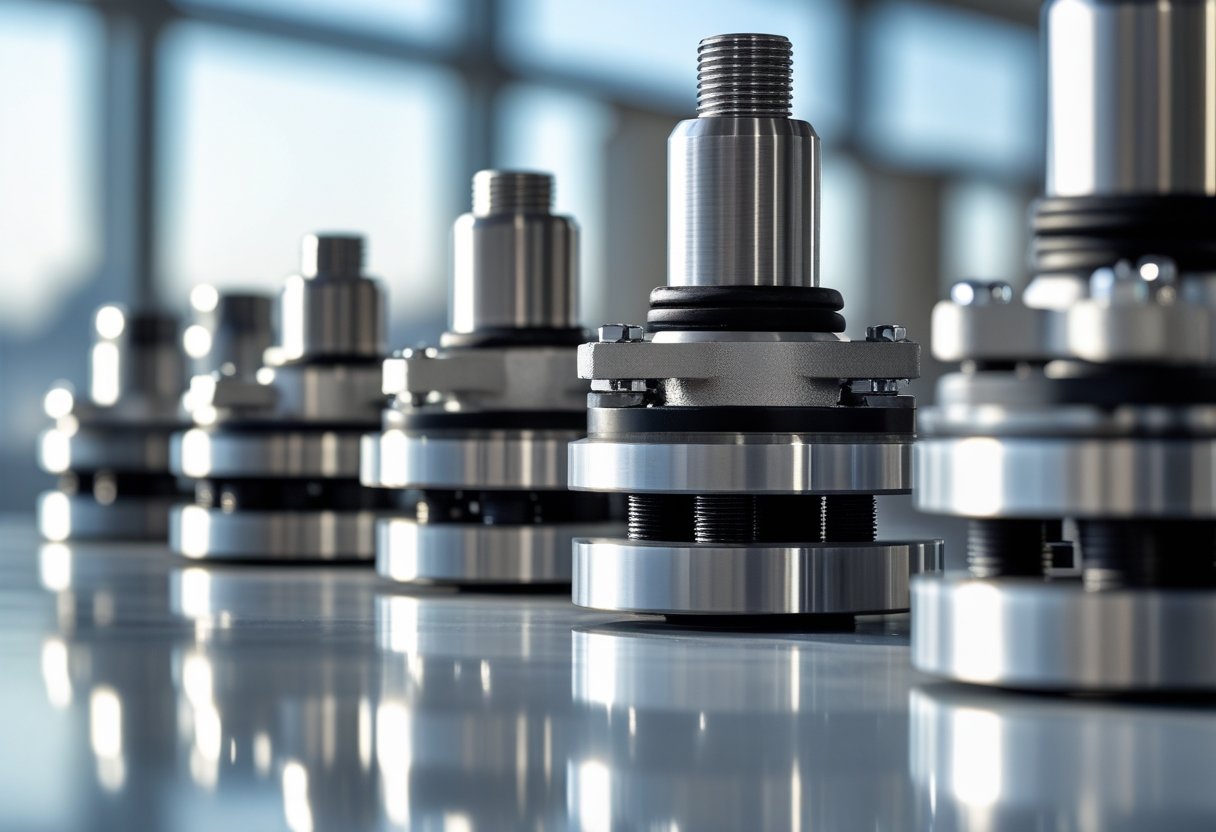
We’ve seen how improper leveling leads to premature wear on machinery components, reduced precision in manufacturing processes, and increased safety risks for operators. Leveling mounts address these challenges through their ability to swivel and adjust, typically offering up to 15 degrees of movement to accommodate floor irregularities. They’re manufactured in various materials including steel, stainless steel, and specialized plastics to suit different load capacities and environmental conditions.
Understanding the features, benefits, and proper selection criteria for industrial leveling mounts helps facilities optimize their equipment performance and longevity. We’ll examine what makes these components essential for industrial operations and how to choose the right mounts for specific applications and load requirements.
Key Features and Benefits of Industrial Leveling Mounts
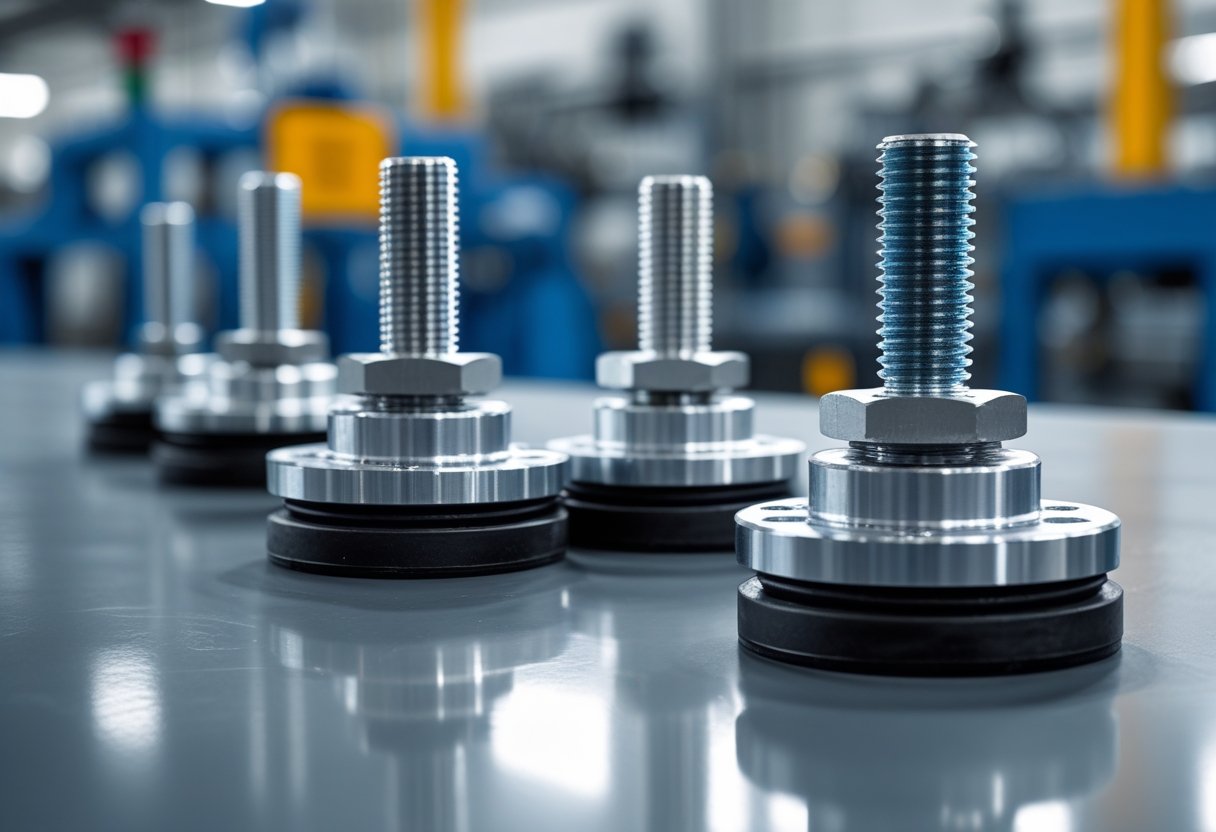
Industrial leveling mounts deliver critical stability and vibration control while accommodating various load requirements across manufacturing and industrial environments. These components utilize specific material compositions and design features that directly impact equipment performance, operational safety, and machinery longevity.
Core Functions and Advantages
Leveling mounts serve as adjustable foundation points that compensate for uneven floor surfaces and maintain equipment alignment. We find that these mounts eliminate wobble and prevent equipment misalignment that can lead to premature wear on moving components. The adjustable height feature allows operators to fine-tune machine positioning after installation, which proves essential when floor conditions change over time.
Primary functions include:
- Maintaining level positioning on irregular surfaces
- Providing stable support for machinery and equipment
- Enabling height adjustments without equipment relocation
- Protecting sensitive instruments from movement-related damage
The stability these mounts provide translates to improved operational efficiency and reduced downtime. Equipment that remains properly leveled operates at peak performance and requires less frequent maintenance intervention. We observe that properly mounted machinery also enhances worker safety by preventing unexpected equipment movement or tipping hazards.
Vibration Control and Noise Reduction
Modern leveling mounts incorporate vibration-dampening materials that isolate equipment from floor-transmitted vibrations. Anti-vibration leveling mounts can reduce vibration transfer by up to 98%, protecting both the machinery and surrounding equipment from harmful oscillations. This isolation proves particularly valuable in precision manufacturing environments where even minor vibrations compromise product quality.
The vibration control mechanism typically involves elastomeric pads or specialized dampening materials integrated into the mount design. These materials absorb kinetic energy from machine operation and prevent resonance buildup that amplifies noise levels. We see measurable reductions in ambient noise when facilities implement proper vibration isolation through leveling mounts.
Reduced vibration extends machinery lifespan by minimizing stress on bearings, seals, and structural components. Equipment operating with effective vibration control experiences fewer breakdowns and maintains tighter tolerances over extended periods.
Weight Capacities and Durability
Industrial leveling mounts accommodate load ranges from 200 pounds for light equipment to 43,000 pounds for heavy machinery applications. We categorize these mounts by their load-bearing capacity, which determines appropriate applications and installation requirements. Heavy-duty leveling mounts utilize reinforced construction and larger contact surfaces to distribute weight effectively.
| Load Category | Weight Range | Common Applications |
|---|---|---|
| Light-Duty | 200-2,000 lbs | Small machines, workbenches |
| Medium-Duty | 2,000-10,000 lbs | Standard industrial equipment |
| Heavy-Duty | 10,000-43,000 lbs | Large presses, heavy machinery |
The durability of leveling feet depends on both material selection and engineering design. We recommend selecting mounts rated above actual equipment weight to account for dynamic loads during operation. Properly rated leveling mounts maintain their adjustment capability and structural integrity throughout years of service.
Material Types and Corrosion Resistance
Material selection directly impacts leveling mount performance in specific environments. Steel mounts offer high load capacity and durability for general industrial applications. Stainless steel provides superior corrosion resistance in food processing, pharmaceutical, and outdoor installations where moisture exposure occurs regularly.
Zinc-plated steel combines adequate corrosion protection with cost-effectiveness for controlled indoor environments. Plastic and polymer mounts serve lighter applications while offering chemical resistance and electrical insulation properties. We select materials based on environmental conditions, load requirements, and potential exposure to chemicals or moisture.
Corrosion-resistant materials prevent premature failure in challenging environments. Facilities processing consumable products or operating in coastal regions benefit significantly from stainless steel or specialized coating options. The initial investment in corrosion-resistant materials typically provides lower total cost of ownership through extended service life and reduced replacement frequency.
Application and Selection of Industrial Leveling Mounts
Selecting the appropriate industrial leveling mount requires understanding load requirements, mounting configurations, and thread specifications. We must consider how the mount attaches to equipment, the environmental conditions it will face, and the adjustment range needed for proper machine leveling.
Machine Leveling and Installation Basics
Machine leveling ensures equipment operates on a stable, level surface regardless of floor irregularities. We use leveling feet to compensate for uneven concrete, slight slopes, or surface imperfections that could affect machinery performance. The leveling process typically involves placing mounts at key support points and adjusting each mount until the machine achieves proper alignment.
Most installations require a vertical adjustment range of 1 to 2 inches to accommodate typical floor variations. The adjustment mechanism allows us to fine-tune the height at each mounting point without repositioning the entire machine. Proper leveling reduces vibration transmission, prevents premature wear on components, and maintains operational accuracy for precision equipment.
Load capacity is the primary consideration during selection. We must calculate the total equipment weight and distribute it across all mounting points, ensuring each mount can handle its share plus a safety margin. Underrated mounts will fail prematurely, while oversized mounts may not provide adequate adjustment sensitivity.
Mounting Options: Male, Female, and Tube End
Industrial leveling mounts come in three primary mounting configurations to match different equipment designs. Male mounts feature an external threaded stud that screws into a tapped hole in the machine base. This configuration provides a secure, low-profile connection ideal for equipment with pre-threaded mounting points.
Female mounts contain an internal threaded hole that accepts a bolt or stud extending from the equipment. We prefer this option when the machine has protruding mounting studs or when we need to retrofit existing bolt patterns. The female design also allows for easier mount replacement without disturbing the equipment attachment points.
Tube end mounts are designed specifically for equipment with tubular legs or frame members. These mounts insert into the tube opening and secure with set screws or welding. They provide a clean installation on pipe-frame machinery, workbenches, and modular equipment systems.
Lag Hole and Specialty Configurations
Some leveling mounts incorporate a lag hole through the mounting pad for additional anchoring to the floor surface. We use lag bolts through these holes when equipment requires rigid attachment to prevent shifting or walking during operation. This configuration is essential for high-vibration machinery, equipment subject to lateral forces, or installations in seismic zones.
The lag hole diameter must accommodate standard lag bolt sizes while maintaining structural integrity of the mount base. Common configurations include 3/8-inch or 1/2-inch holes positioned at the center of steel or stainless steel base pads. We ensure the floor material can support the anchoring method, as concrete requires different fasteners than wood or steel decking.
Specialty configurations include swivel pads that maintain surface contact during height adjustment, vibration-damping elastomeric elements, and corrosion-resistant materials for harsh environments. Stainless steel mounts serve food processing and pharmaceutical applications where hygiene standards apply.
Choosing the Right Size (e.g., 1/2-13 x 2 Thread Size)
Thread size selection determines the mount’s load capacity and compatibility with existing equipment. The specification 1/2-13 x 2 indicates a 1/2-inch diameter thread with 13 threads per inch and a 2-inch thread length. This common size handles medium to heavy-duty applications with load ratings typically between 2,000 and 5,000 pounds per mount.
We match the thread size to the equipment’s mounting provisions. Metric equipment requires metric thread sizes (such as M12 or M16), while imperial machinery uses UNC or UNF threads. The thread length must provide adequate engagement—generally a minimum of 1.5 times the thread diameter for steel-to-steel connections.
Base diameter increases with thread size to provide adequate bearing surface and stability. A 1/2-inch threaded mount typically features a 2 to 3-inch diameter base pad. We verify that the base size fits within the available mounting area and provides sufficient contact area for the load being supported.


