
 Support
 Sign In
 Cart
Cart


Industrial cart noise can get pretty loud—sometimes hitting levels that aren’t just annoying, but actually unsafe. That constant rattle and clatter rolling through a warehouse? It wears people down, hurts productivity, and, yeah, it can even damage hearing if you let it go unchecked.
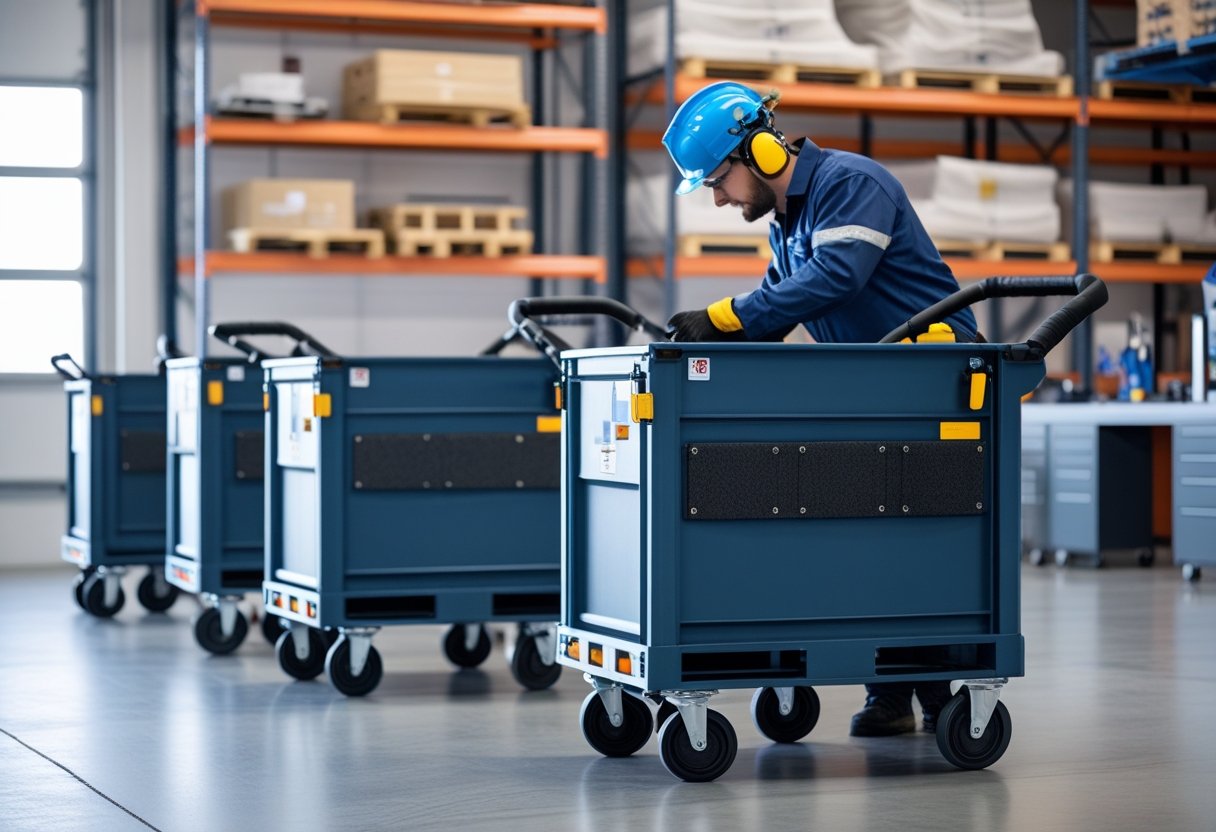
Reducing industrial cart noise is definitely possible if you’re smart about caster selection, pick the right wheel materials, and use shock-absorbing features that cut down vibration and friction. In our experience, focusing on polyurethane treads, kingpinless designs, and enclosed caster systems (which limit all that metal-on-metal racket) can make a huge difference in the work environment.
So, let’s dig into what actually causes all that noise, check out some specific caster tech that helps, and get into some hands-on strategies for rolling out and keeping up with noise reduction solutions. We’ll also touch on how to measure your progress and make sure the changes stick.
Key Factors Impacting Noise Reduction in Industrial Carts
If you want to keep industrial cart noise under control, you really need to pay attention to three main things: the materials you use, the quality of the bearings, and how the casters are put together. Each of these plays a direct role in whether your carts hum along quietly or sound like a freight train.
Role of Caster and Wheel Material in Noise Generation
Wheel material is probably the biggest factor in how much noise your carts make. Polyurethane treads are great at soaking up shock and vibration, so they’re a lot quieter than hard materials like steel or rigid plastics.
Soft wheels help a lot. Rubber wheels, for example, can cut noise by up to 40% compared to hard wheels, though they do tend to wear out faster, especially on rough floors.
If you need something in the middle, thermoplastic rubber (TPR) is worth a look. It gives you about 25% better noise reduction than standard polyurethane, and it’s tougher than natural rubber—30% more abrasion resistance, actually.
Honestly, metal wheels aren’t your friend if noise is a concern. Steel and aluminum wheels are loud, thanks to their rigid build and lack of vibration dampening.
Don’t forget about durometer ratings. The softer the wheel (meaning, a lower durometer), the more it absorbs impacts and the less racket it makes rolling over different surfaces.
Impact of Precision Ball Bearings on Quiet Mobility
Precision ball bearings are a must if you care about quiet operation. Good bearings cut down friction, which means you don’t get all those grinding and squeaking noises you might hear with cheap bearings.
Sealed bearings are even better. They keep dirt and debris out, so you don’t end up with extra friction or weird noises as the wheels turn.
From what we’ve seen, quiet casters with precision bearings stay silent longer than the basic versions. The better tolerances mean smooth rolling and way less metal-on-metal noise.
If you’re using kingpinless casters, single-row ball bearings can help a lot. They get rid of the old kingpin mechanism that tends to rattle and click when loaded.
Keeping those bearings lubricated is key. Regular maintenance keeps things rolling quietly and prevents rough spots that make things noisier over time.
Importance of Caster Design and Construction
Kingpinless casters are a solid bet for less noise. By ditching the central kingpin, you cut down on metal parts banging together.
Enclosed caster designs are another good move. They keep debris out, so you’re not getting extra noise from grit jamming up the works.
And for big, heavy carts, swivel seals can be a lifesaver. They keep the swivel mechanism clean and let the cart turn smoothly without squeaking.
Carts with built-in shock-absorbing features are just better for noise reduction. They help stop vibrations from traveling from the wheels up into the cart itself.
Honestly, the quality of the whole caster matters. Well-made casters hang onto their quiet performance way longer than cheap ones that loosen up and start rattling.
Selecting and Implementing Quiet Casters
Getting the right casters is all about matching soft wheel materials with good bearings. Material, shock absorption, and bearing quality all add up to how loud your carts are in daily use.
Choosing Soft Rubber and Polyurethane Casters
If you really want to cut down on noise, soft rubber and polyurethane wheels are the way to go for industrial carts. They’re great at soaking up vibrations, so you don’t get that “thunk-thunk” echoing through the building.
Polyurethane treads can keep noise under 20 decibels and still handle heavy loads. They’ve got that rubbery feel that helps dampen impacts from bumps and debris.
Thermoplastic rubber wheels are also a strong pick, especially if you need chemical resistance. They’re gentle on floors and absorb shocks better than the harder stuff.
Mold-on rubber wheels are champs at vibration suppression. Their flexible build lets them soak up energy as the cart moves, which means less noise and less floor damage.
Hard steel or phenolic wheels just aren’t great for quiet environments. They’re noisy, especially on concrete or tile, and the problem only gets worse with heavier loads.
Evaluating Shock Absorption and Vibration Damping
Most of the noise from industrial carts is really just vibration. To deal with it, you need casters that can absorb shock right at the wheel.
Shock-absorbing casters use built-in dampers to cut down both how often and how hard those vibrations hit. That way, the energy doesn’t make its way up into the cart or the floor.
If you can, go for casters with suspension elements. They keep the wheel and the mounting hardware a little separated, which helps stop vibrations from traveling.
Kingpinless caster designs are also good for noise—they don’t have all those metal contact points that can amplify sound. Single-row ball bearings make for smooth rolling without the rattles you get from old-school kingpin setups.
Wheel size matters, too. Bigger wheels roll over bumps more easily, which means fewer jolts and less noise.
Upgrading to Sealed Bearings for Workplace Noise Control
Precision ball bearings are a huge upgrade over basic bushings when it comes to keeping things quiet. Swapping in sealed bearing assemblies can really bring down the noise.
Sealed precision bearings keep out dirt, so you don’t get that gritty grinding sound. The seals also help retain lubrication, which keeps everything running smoothly.
With enclosed caster designs, you get even more noise protection because the whole mechanism is covered. That keeps debris out and stops sound from escaping.
Swivel seals are a nice touch for heavy-duty setups. They make sure the swivel keeps turning smoothly under load, so you don’t get squeaks or binding noises.
Just don’t slack on maintenance. Bearings need to be lubricated on schedule, or they’ll start to wear out and get noisy again.
Best Practices for Reducing Workplace Noise from Industrial Carts
Keeping noise down isn’t just about the wheels—it’s about maintenance, dampening materials, and even the floors you roll on. If you’re systematic about it, you can really bring the decibels down and make the workspace more pleasant.
Routine Maintenance and Lubrication of Caster Components
Sticking to a maintenance schedule is one of the easiest ways to avoid noise problems. We suggest checking caster bearings every 30-60 days—more often if your carts are in heavy rotation.
Lubrication is a must. Ball bearings do best with a little machine oil every month, while roller bearings like lithium grease about every 90 days.
If the wheel treads are worn down (say, more than 25% thinner than when new), it’s time to swap them out. Worn treads just make more noise.
Here’s a quick maintenance checklist:
- Clean out wheel assemblies every week—dirt builds up fast
- Check for loose bolts or hardware
- Test the swivel action—should be smooth, not sticky
- Replace any seals that are letting in dirt
A little thread locker on the bolts can stop them from working loose and rattling. It’s a small thing, but it really helps.
Utilizing Sound Dampening and Isolation Techniques
Adding dampening materials can make a big impact. Padding the inside of carts with foam or rubber matting stops loads from banging against the metal.
Vibration isolation is another trick. Spring-loaded casters are good at absorbing shocks, especially if you match them to your typical load weights.
Some solid dampening ideas:
- Thick foam padding (2-4 inches)
- Rubber mats inside the cart bed
- Fabric curtains as barriers around noisy areas
- Pneumatic wheels for top-notch sound absorption
Keep loads secure, too. Tie-downs, nets, or dividers stop stuff from shifting and rattling around.
Sound barriers along busy cart routes can shave off up to 15 decibels. Portable acoustic screens are handy if your workflow changes a lot.
Flooring Considerations for Silent Mobility
Floor quality is a big deal for noise. Smooth, level floors mean less wheel noise and fewer vibrations.
Concrete floors with expansion joints can be a pain—wheels thump every time they cross a gap. You can soften this with transition strips or by picking wheels with shock-absorbing features like pneumatic tires.
What to look for in flooring:
- Level surfaces with few bumps
- Smooth textures, not rough or pitted
- Sealed concrete to fight wear and tear
- Decent drainage to avoid water puddles
Temporary floor coverings can help, too. Rubber runway mats or industrial carpet strips make quieter paths where carts roll the most.
Stay on top of floor repairs. Filling cracks and fixing damage keeps things smooth and quiet.
Measuring and Sustaining Noise Reduction Performance
You can’t really know if your noise reduction efforts are working unless you measure. Using sound pressure level meters and keeping up with training helps ensure your carts stay within safe decibel limits. Regular checks help spot problems before they get out of hand.
Monitoring Decibel Levels in Industrial Environments
We use sound pressure levels, measured in decibels (dB) with the LA indicator system, to figure out how much noise our carts are actually making.
Here’s what we look at: LAmax and LAmin values, which show the highest and lowest noise levels over a certain time. This gives us a good baseline for tracking improvements.
| Measurement Type | Purpose | Typical Range |
|---|---|---|
| LAmax | Peak noise levels | 65-85 dB |
| LAmin | Minimum operational noise | 45-60 dB |
| LA continuous | Average exposure levels | 55-75 dB |
We take readings at different spots along cart routes—loading docks, corners, high-traffic stretches. It’s worth measuring during busy and slow times, since noise levels can swing a lot.
Meters should be at worker ear height for the most accurate data. We log all the numbers in maintenance records to spot trends or catch noise creeping back up.
Continuous Improvement and Staff Training
We roll out hands-on training programs that actually show operators how to handle carts in a way that cuts down on noise. These sessions dive into wheel maintenance, how to balance loads, and the kind of careful steering that keeps things quiet.
We’re pretty diligent about checking the equipment, too. Inspections help spot worn-out parts—stuff like wheels, bearings, or dampening bits—that could start making a racket if ignored. There’s a set schedule for swapping these out before they get too loud for comfort.
Essential training components include:
- Loading carts the right way so nothing rattles around
- Spotting mechanical issues that might be causing extra noise
- Following the right steps to keep noise reduction parts working
- Reporting any weird or sudden noise spikes right away
Operators are encouraged to call out any odd noises as soon as they hear them. That way, we can fix little problems before they turn into something that really disrupts the workflow.
Every quarter, we check how loud things are now compared to our noise goals. Depending on what we find, we’ll tweak how often we do maintenance or run refresher training to keep the place running smoothly and quietly.


