
 Support
 Sign In
 Cart
Cart


When you’re picking out caster wheels for just about any space—industrial, commercial, or even around the house—rubber options really do stand out against metal, plastic, and all the rest. It’s surprising how often folks run into issues trying to balance performance, floor protection, and noise with their wheels. Sometimes you just want something that works quietly and doesn’t wreck your floors, right?
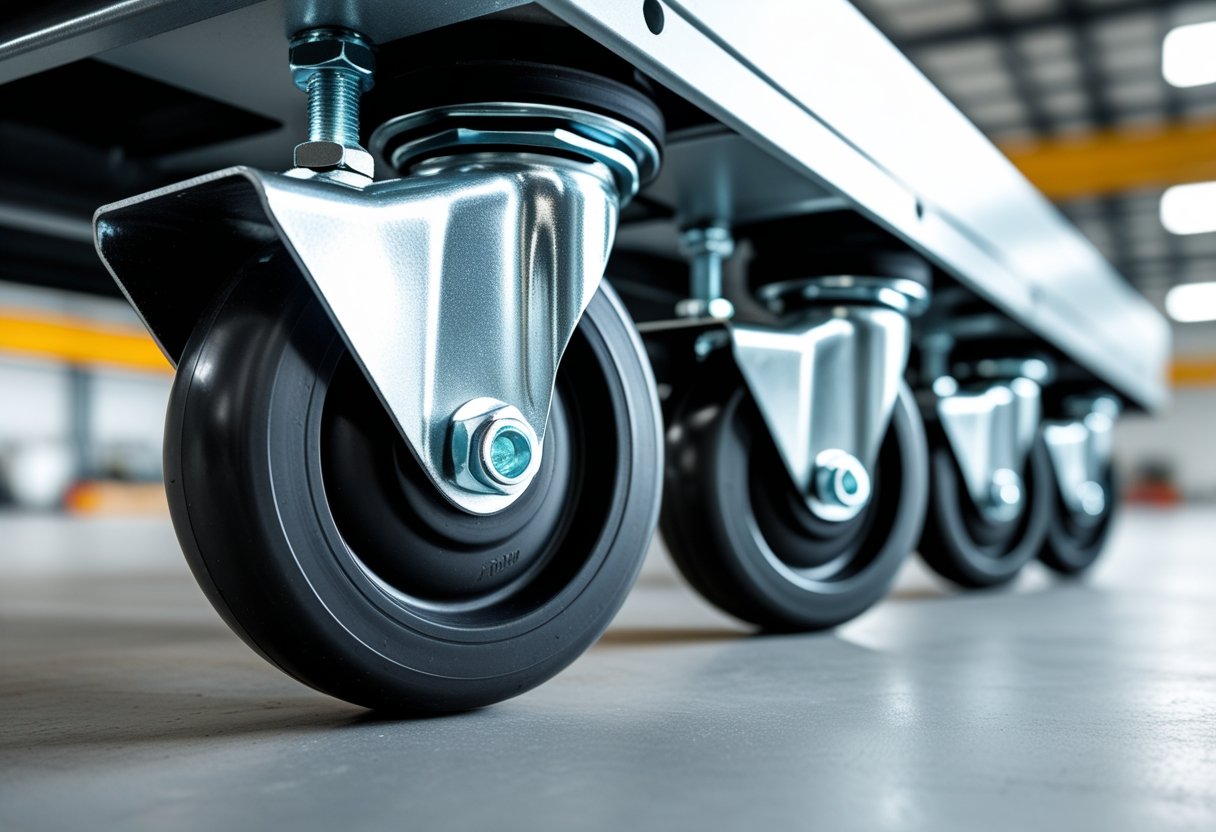
Rubber caster wheels really shine in four big ways: they soak up shocks to protect both your gear and your floors, grip surfaces well for safety, keep things quiet, and are gentle enough not to scratch up delicate flooring. That’s why you see them everywhere from hospitals to warehouses—anywhere smooth, low-noise movement is a must.
Let’s dig into how rubber casters hold up under pressure, how they stack up against things like polyurethane and nylon, and what they can handle in terms of chemicals. If you’re trying to choose the right rubber caster wheels for your setup, we’ll walk through what to look for, too.
Key Benefits of Rubber Caster Wheels
Rubber caster wheels are great at absorbing shock, running quietly, being gentle on floors, and providing solid traction for safety. These traits make them a go-to for equipment in places like hospitals, offices, and warehouses.
Shock Absorption and Vibration Reduction
Rubber wheels are champs at taking the edge off impacts and soaking up vibrations while you’re moving stuff around. The elasticity of rubber means it squishes a bit when it hits bumps, which cushions whatever you’re hauling.
If you’re moving fragile equipment or sensitive electronics, this shock absorption is a lifesaver. When places swap out hard plastic or metal wheels for rubber, there’s a noticeable drop in damage to what’s being transported.
Shock Absorption Highlights:
- Shields fragile cargo from bumps
- Cuts down on equipment wear from constant rattling
- Helps things last longer
- Makes for a smoother ride over rough floors
The way rubber bounces back after being squished means it keeps cushioning, even after thousands of trips. Factories using rubber casters on assembly carts see fewer product defects, since the vibration dampening keeps tiny parts from shifting or coming loose.
Quiet Operation in Sensitive Environments
Rubber caster wheels are much quieter than metal or hard plastic. The soft material absorbs sound instead of sending it echoing through the floor.
We’ve seen noise reduction of 15-25 decibels when places switch from metal to rubber casters. That’s a big deal for anyone who works in an environment where quiet matters.
Where Quiet Wheels Matter:
- Hospital patient rooms
- Libraries and schools
- Offices during work hours
- Apartment buildings with noise rules
The magic comes from rubber stopping those sharp, clattering sounds hard wheels make. Instead of clacking and rattling, rubber wheels just glide. Night crews especially appreciate this—nobody wants to wake up patients or office workers with noisy carts in the middle of the night.
Superior Floor Protection
Rubber caster wheels are gentle on floors. They don’t scratch, scuff, or gouge expensive surfaces. The soft rubber molds to the floor’s texture instead of digging in.
Switching to rubber wheels can save a ton in floor repairs—sometimes the cost of new flooring is three to five times what it costs to upgrade your casters.
Floors That Stay Safe:
- Hardwood and engineered wood
- Tile (ceramic or porcelain)
- Polished concrete
- Luxury vinyl and laminate
Rubber doesn’t leave marks or stains behind, which is a must in food service, healthcare, and clean rooms. And if you’re moving heavy stuff, rubber spreads the load so you don’t end up with dents or permanent marks in softer flooring.
Enhanced Traction and Safety
Rubber wheels grip surfaces way better than plastic or metal, even when things get slippery. That extra friction helps prevent carts from sliding out of control.
We’ve noticed fewer workplace accidents in places that use rubber wheels. The improved traction gives workers more control, especially on smooth or wet floors.
Safety Boosts:
- Wet floors: Still grips, even with spills
- Directional control: Less sliding, more control
- Braking: Stops equipment faster
- Slopes: Holds steady on inclines
Tread patterns on rubber wheels can make a difference, too. Some are designed to handle oil or chemical spills without losing grip, which is handy in industrial settings.
Loading docks, for example, benefit from rubber wheels that keep their grip moving between indoors and outdoors, no matter the weather or temperature swings.
Durability and Performance in High-Traffic Environments
Rubber caster wheels hold up well in tough conditions, thanks to their material makeup and shock-absorbing qualities. They’re a staple in busy workspaces because they spread out weight and resist the wear and tear that comes with constant use.
Long-Term Durability and Wear Resistance
Rubber wheels keep their shape and strength even after lots of use. The elastomer blend fights off cracking and chunking, which can be a problem with harder wheels.
Rubber’s flexibility lets it absorb shocks without passing the stress onto the wheel’s core, so you don’t get flat spots and the wheels just last longer than rigid ones.
Why They Last:
- Stand up to cleaning chemicals
- Stay stable in different temperatures
- Don’t leave marks or get chewed up by the floor
- Minor dings kind of “heal” themselves over time
All that shock absorption doesn’t just protect the wheels—it helps your equipment last longer, too, and means you’re not constantly fixing casters or their mounts.
Suitability for High-Traffic and Industrial Settings
Busy places need wheels that keep rolling, hour after hour. Rubber casters handle this well—they’re quiet, grippy, and adapt to different floors without a hitch.
We’ve seen rubber wheels take on rough warehouse floors or uneven manufacturing spaces and still roll smoothly.
Why Industry Likes Rubber:
- Quieter shifts, even overnight
- Floors stay in better shape
- Reliable, even when things get hectic
- Versatile—works on concrete, tile, you name it
Plus, rubber resists oils and chemicals you’d find in factories, so the wheels don’t break down or lose their grip.
Load Capacity Considerations
Rubber wheels spread out weight through their contact patch, so they can handle hefty loads without squishing too much. The exact capacity depends on the wheel’s size and how hard the rubber is.
It’s smart to check both the static load rating (when it’s not moving) and the dynamic load rating (when it’s rolling). Dividing the total weight across enough wheels helps them last longer and keeps things safe.
Things That Matter:
- Bigger wheels spread out weight better
- Softer rubber deforms more under load
- The more contact area, the less pressure on the floor
- Good mounting keeps weight distributed evenly
Leaving a little safety margin—say, 25-30% under the max rating—can really extend wheel life. It helps cover for bumps, uneven loads, or just the unexpected stuff that always comes up.
Material Comparison and Chemical Resistance
Rubber caster wheels don’t act like other materials in every setting. Their chemical resistance is good for certain jobs, especially where only mild chemicals are around.
Rubber Casters vs. Polyurethane Casters
Rubber and polyurethane casters are pretty different. Rubber is better for shock absorption and keeping things quiet, but polyurethane can take heavier loads without squishing.
Rubber wheels need a bit more muscle to get moving, thanks to their softness. Polyurethane rolls easier and is usually more durable.
- Rubber: Grips wet floors better
- Polyurethane: Lasts longer, wears slower
- Rubber: Quieter
- Polyurethane: Handles harsh chemicals better
Both are kind to floors, but polyurethane keeps its shape longer if you’re constantly rolling heavy stuff.
Comparing Rubber with Other Wheel Materials
Rubber, steel, and nylon wheels all have their sweet spots. Metal wheels are for the heaviest loads—rubber isn’t made for that.
Rubber is the quietest by far. Metal wheels are loud and can really bang up floors. Nylon is somewhere in between.
Maintenance and Durability:
| Material | Durability | Maintenance | Floor Protection |
|---|---|---|---|
| Rubber | Moderate | Needs replacing now and then | Excellent |
| Steel | High | Not much needed | Not great unless coated |
| Nylon | High | Low | Decent |
Steel can take the heat, while rubber starts to break down if things get too hot.
Chemical Resistance of Rubber Casters
Rubber caster wheels are okay with chemicals—not the best, but fine for most jobs. Natural rubber shrugs off water and mild acids.
Synthetic rubber can handle some oils and solvents, which helps in factories. But strong acids or bases will eat away at rubber over time, so it’s worth checking your environment and doing regular inspections.
Rubber Resists:
- Water, humidity
- Mild cleaning stuff
- Light oils
- Weak acids
Polyurethane casters are usually the pick for places with lots of harsh chemicals or tough cleaning routines.
Temperature matters, too. Heat speeds up how fast chemicals break down rubber, so if you’re working somewhere cool, rubber will last longer.
Choosing the Right Rubber Caster Wheels
There are a few key things to keep in mind when picking rubber casters. Wheel size affects how much weight you can carry and how easily things roll. The environment will help you decide which rubber compound and tread type to go with.
Wheel Size and Type Selection
Think about how much weight you need to move when picking wheel size. Bigger wheels carry more and deal with bumps better.
Load Guidelines:
- 2-3 inch wheels: Light-duty, up to 150 lbs each
- 4-5 inch wheels: Medium-duty, up to 350 lbs each
- 6+ inch wheels: Heavy-duty, over 350 lbs each
The type of rubber matters, too. Thermoplastic rubber is great for smooth indoor floors like vinyl or tile. Natural rubber gives you better grip and shock absorption.
Tread patterns can make a difference. Smooth treads are quieter (good for offices), while ribbed or textured treads grip better where things might get slippery or dirty.
Factors for Specific Applications and Environments
Honestly, choosing the right rubber caster wheels for your workspace isn’t always as simple as it seems. Everything from temperature swings to what kind of floor you’re rolling over can make a difference. If you’re dealing with extreme heat or cold, you’ll want to look for specialized rubber blends—otherwise, you might end up with wheels that crack or get too stiff.
Environmental Considerations:
- Indoor smooth floors: Go for soft rubber that won’t leave marks all over your nice floors.
- Outdoor/rough surfaces: Pneumatic or semi-pneumatic wheels with some tread grip are your best bet here.
- Chemical exposure: You’ll need something that can handle spills—chemical-resistant rubber’s the way to go.
- Temperature extremes: Only certain compounds are up for this challenge, so double-check the specs.
If you care about keeping your floors in good shape—especially hardwood, tile, or vinyl—softer rubber is the way to go. It’s less likely to scratch or scuff things up, which is always a relief.
How often you’re rolling things around and how far they travel actually matters, too. For heavy, frequent use, harder rubber holds up much better to all that wear and tear. But if you’re only using them occasionally, you can probably get away with something softer that’s a bit quieter and gentler on the floors.


